Kętrzyn, Poland
- 27,478 people
- 10 places to visit
- 54.0766, 21.375
Places to Visit (10)
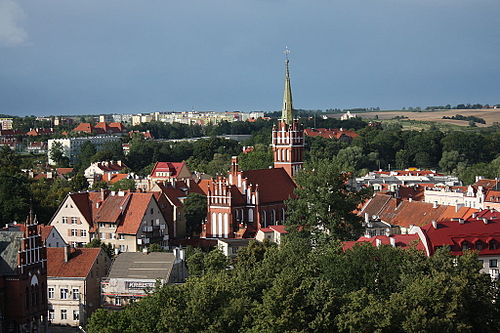
Kętrzyn is a town situated in the Warmian-Masurian Voivodeship of Poland, renowned for its rich history and picturesque landscapes. Founded in the 14th century as a settlement for the Teutonic Knights, Kętrzyn was initially known as Rastenburg. The town is located in the northeastern part of the country, nestled amidst the beautiful Masurian lakes and forests, enhancing its appeal as a destination for both tourists and recreational activities. Kętrzyn's strategic location, close to the border with the Kaliningrad Oblast of Russia, has significantly influenced its cultural and historical development over the centuries.
The town's well-preserved medieval architecture, characterized by remnants of its fortified castle and old town square, reflects its historical significance. The Gothic-style St. George's Church, one of the notable landmarks, showcases elaborate 15th-century design elements. Kętrzyn also has a rich military history, particularly from World War II, as it served as a key location during various military operations. Today, the town functions as a regional center with a population of approximately 27,000 residents and offers various modern amenities while maintaining its historical charm. The surrounding natural environment provides ample opportunities for hiking, cycling, and water activities, making Kętrzyn a popular destination for outdoor enthusiasts and history buffs alike.
Facts about Kętrzyn
- Kętrzyn was historically known as Rastenburg and is located in the Warmian-Masurian Voivodeship in northeastern Poland.
- The city is home to the Kętrzyn Castle, a Gothic medieval fortress built in the 14th century, which is one of the best-preserved Teutonic castles in Poland.
- Kętrzyn is situated near the scenic Mazury region, which is often referred to as the 'Land of a Thousand Lakes,' making it a popular destination for outdoor activities and water sports.
- The city has a rich military history, having been a significant strategic location during both World Wars, particularly as a part of the East Prussian region.
- Kętrzyn hosts an annual event called 'Kętrzyńskie Spotkania z Historią' (Kętrzyn Meetings with History), which focuses on historical reenactments and workshops.
- It is known for its unique underground tunnels, which were used during World War II, adding an intriguing historical aspect to the city's past.
- Kętrzyn features the beautiful Church of St. George, a prominent baroque-style church that dates back to the 14th century.
- The city has a well-established community of Polish and Lithuanian speakers, reflecting its diverse cultural influences throughout history.
- Kętrzyn is located near the former site of the Wolf's Lair (Wilczy Szaniec), Adolf Hitler's secret military headquarters during World War II, attracting many tourists interested in WWII history.
- The city plays an active role in promoting regional culture through various festivals and events, aiming to preserve and showcase the heritage of the warmian and masurian communities.