Kevelaer, Germany
- 28,064 people
- 9 places to visit
- 51.5813, 6.2458
Places to Visit (9)
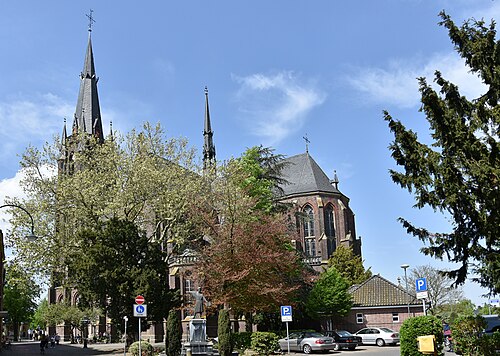
Kevelaer is a charming town located in North Rhine-Westphalia, Germany, renowned for its rich religious heritage and vibrant cultural life. Situated approximately 10 kilometers northeast of the Dutch border, Kevelaer lies in the district of Kleve and has a population of about 28,000 residents. The town's historical roots trace back to the 14th century, but it gained prominence in the 17th century as a center of pilgrimage. This transformation was largely influenced by the discovery of a statue of the Virgin Mary, which led to the establishment of the Basilica of St. Mary, a significant site for pilgrims and visitors alike. The Basilica, completed in 1911, stands as a stunning example of neo-gothic architecture, attracting thousands of pilgrims annually.
Kevelaer is surrounded by a picturesque landscape characterized by lush greenery, meandering rivers, and quaint rural villages, making it a serene getaway for nature enthusiasts. The town's economy is supported by a mix of tourism, small-scale manufacturing, and retail businesses. Kevelaer's commitment to preserving its cultural heritage is evident through its various festivals and events, including the annual pilgrimage processions that draw visitors from across Europe. The town is also a hub for artists and craftspeople, with numerous galleries and workshops showcasing local talent. In addition to its spiritual significance, Kevelaer offers recreational opportunities, including well-maintained parks and cycling paths, making it an attractive destination for both spiritual seekers and outdoor lovers. The combination of historical significance, cultural vibrancy, and natural beauty makes Kevelaer a unique and inviting town in the heart of Germany.
Facts about Kevelaer
- Kevelaer is renowned as a pilgrimage town, particularly for its significance in Catholicism, attracting thousands of pilgrims each year to the famous 'Heiliges Grab' (Holy Grave) shrine.
- The town was officially granted the status of a city in 1974, but it has a history of pilgrimage that dates back to the 17th century, making it an important religious center in the region.
- Kevelaer is home to the largest collection of glass in Europe, displayed in the Glass Museum, showcasing the town's historical connection to glassmaking.
- The city features a unique 'Lourdes Grotto,' a replica of the famous grotto in France, which draws visitors who seek to pay homage to the Virgin Mary.
- Kevelaer hosts the annual 'Kevelaer Carnival,' one of the largest and most vibrant carnival celebrations in North Rhine-Westphalia, reflecting its rich cultural traditions.
- The town is known for its beautiful parks and gardens, including the 'Stadtpark,' which provides a serene space for relaxation and community gatherings.
- Kevelaer's Town Hall, constructed in a distinctive neo-Gothic style, serves as an architectural highlight and is a testament to the city's historic charm.
- The 'Wallfahrts-Sommer' festival is organized each summer, celebrating local traditions and attracting tourists with various cultural events and performances.
- Kevelaer is strategically located near the borders of the Netherlands, serving as a point of cultural exchange and promoting cross-border tourism.
- The city has a vibrant artistic community, with several galleries and workshops that support local artists and their crafts, distinguishing it within the region.