Khān Yūnis, Palestine
- 173,183 people
- 2 places to visit
- 31.3462, 34.304
Places to Visit (2)
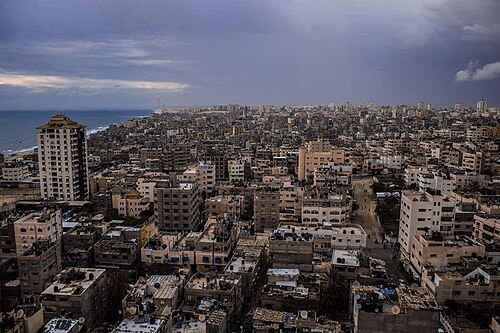
Khān Yūnis is a city located in the southern Gaza Strip, in Palestine. It is one of the largest cities in the region, with a population of approximately 200,000 residents. The city's history dates back to ancient times, and it is believed to have originally been a location for agricultural development due to its fertile soil and access to water. The name "Khān Yūnis" is thought to derive from the Arabic term "khan," meaning inn or caravanserai, which reflects its historical role as a stopping point for traders and travelers. The city has a rich cultural heritage that includes remnants from various historical periods, including Roman and Islamic eras.
Khān Yūnis was established as a significant urban center during the Ottoman Empire and continued to grow throughout the 20th century. The city is characterized by its bustling markets, traditional crafts, and local cuisine, which is influenced by both Mediterranean and Middle Eastern flavors. Since the establishment of Israel in 1948 and subsequent conflicts, Khān Yūnis has faced challenges, including economic difficulties, displacement of populations, and restrictions due to ongoing regional tensions. Despite these hardships, the city is known for its resilience and strong community ties.
The modern-day economy of Khān Yūnis relies heavily on agriculture, small-scale industries, and services. However, the blockade imposed on Gaza has severely restricted trade and access to resources, contributing to high unemployment rates and poverty in the area. Educational institutions and healthcare facilities exist, but they often struggle with limited resources. The population of Khān Yūnis continues to seek opportunities for improvement and development, emphasizing the importance of international assistance and community initiatives. The city remains a symbol of endurance in the face of adversity, preserving its cultural identity while striving for a better future.
Facts about Khān Yūnis
- Khān Yūnis is home to the historic Khān Yūnis Refugee Camp, established in 1949, which is one of the oldest refugee camps in the Gaza Strip, hosting a large population of Palestinian refugees.
- Historically, Khān Yūnis was an important trade route town during the Ottoman period, facilitating commerce between the coastal cities and the interior regions of Palestine.
- The city is renowned for its agricultural productivity, particularly in the cultivation of vegetables, which is a significant aspect of its local economy.
- Khān Yūnis features ancient ruins, including remnants from the Roman and Byzantine periods, which attract visitors and researchers interested in the region's rich history.
- The city has a unique geographical location near the Mediterranean coast, providing residents and visitors with access to beautiful Mediterranean beaches.
- Khān Yūnis played a significant role during the 1936-1939 Arab Revolt against British colonial rule, showcasing its historical significance in the struggle for Palestinian national identity.
- The city celebrates its local arts and crafts, with traditional handicrafts, particularly weaving and embroidery, being a hallmark of its cultural heritage.
- Khān Yūnis hosts several significant annual events, including cultural festivals that celebrate its rich traditions and community spirit, distinguishing it from other cities.
- In contrast to other regions in Gaza, Khān Yūnis is known for its unique blend of urban and rural lifestyles, with a mix of bustling markets and agricultural land.
- The Al-Nasr Mosque, built in the early 20th century, is one of the key architectural landmarks in Khān Yūnis, notable for its distinctive design and historical significance.