Khmelnytskyi, Ukraine
- 274,582 people
- 8 places to visit
- 49.423, 26.9871
Places to Visit (8)
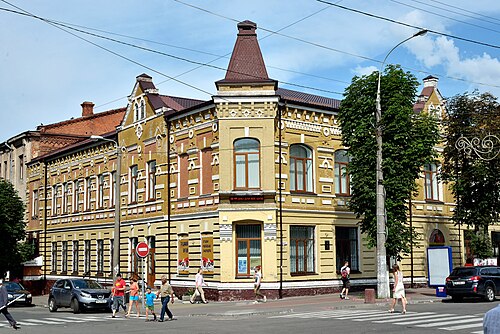
Khmelnytskyi is a city located in west-central Ukraine, serving as the administrative center of Khmelnytskyi Oblast. Founded in 1431, the city has a rich history intertwined with significant events in Ukrainian history, particularly in relation to the Cossack era and subsequent periods of occupation and autonomy. It was named after the famous Ukrainian statesman Bohdan Khmelnytskyi, who played a crucial role in the struggle for Ukrainian independence in the 17th century. Khmelnytskyi's strategic location along the Smotrych River has facilitated its development into a key economic center, with industries including food processing, machine building, and light manufacturing contributing to its economy.
The city is characterized by its cultural landmarks, including historic churches and museums that reflect its diverse heritage. One notable site is the Cathedral of St. John the Baptist, an architectural gem that showcases Baroque and Renaissance styles. Khmelnytskyi is also known for its vibrant educational institutions, including universities and technical colleges, which attract students from various regions. The city serves as a transportation hub, connecting major highways and railways, making it accessible for trade and travel. Additionally, Khmelnytskyi is surrounded by picturesque landscapes and natural parks, offering opportunities for recreation and a balanced urban-rural lifestyle. As Ukraine continues to navigate its political and economic challenges, Khmelnytskyi's role as a regional center remains vital, reflecting the resilience and aspiration of its inhabitants.
Facts about Khmelnytskyi
- Khmelnytskyi is named after the prominent historical figure Hetman Bohdan Khmelnytsky, who led a major uprising against Polish rule in the 17th century.
- The city is known for its unique architectural blend, featuring a mix of Baroque, Neoclassical, and modern buildings, particularly visible in the central part of the city.
- Khmelnytskyi has a notable Jewish heritage, with various historical sites and a vibrant community that contributed to its cultural landscape in the 19th and early 20th centuries.
- The city hosts the annual 'Khmelnytskyi International Film Festival,' which showcases independent films and promotes cinematography in the region.
- Khmelnytskyi is the administrative center of the Khmelnytskyi Oblast and plays a crucial role in the economic and political landscape of western Ukraine.
- The city is home to the Khmelnytskyi Oblast Museum of Local Lore, which offers insights into the region's history, culture, and natural environment.
- Khmelnytskyi features the historic St. Andrew's Church, a beautiful example of wooden architecture that reflects the area's religious and cultural heritage.
- The city is known for its vibrant agricultural sector, particularly in producing grain and sunflowers, significantly contributing to Ukraine's economy.
- Khmelnytskyi houses one of the few remaining examples of early 20th century public baths, known as the 'Medynskiy Baths,' which is a testament to the city's historical lifestyle.
- The city is strategically located along the Horyn River, providing it with unique natural landscapes and opportunities for outdoor recreation, unlike many other urban areas in Ukraine.