Khorramabad, Iran
- 329,825 people
- 6 places to visit
- 33.4647, 48.339
Places to Visit (6)
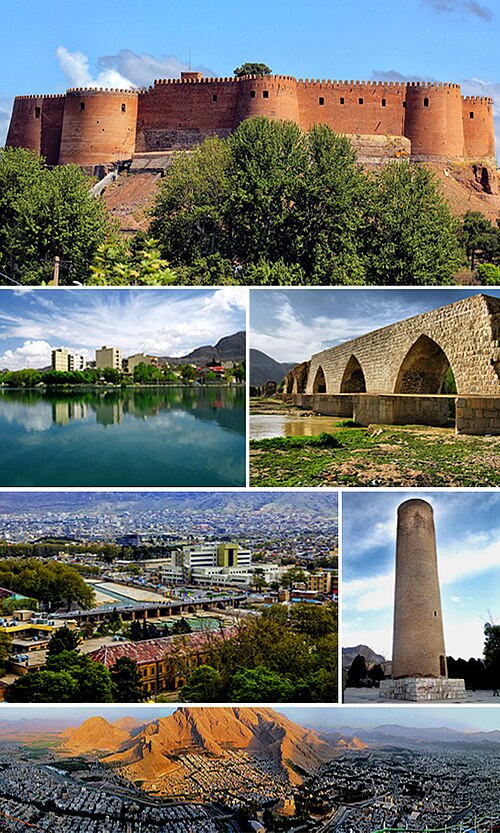
Khorramabad is a city located in the Lorestan Province of western Iran, serving as the capital of the province. The city is situated in a valley surrounded by mountains, particularly the Zagros mountain range, which contributes to its picturesque landscape. Khorramabad has a history that dates back thousands of years, with archaeological evidence suggesting that the area has been inhabited since the ancient Elamite civilization. The city played a significant role throughout various historical eras, including the Archaemenid and Sassanian empires, evident from numerous historical sites and ruins, such as the Falak-ol-Aflak Castle, which dominates the city’s skyline and exemplifies traditional Persian architecture.
Khorramabad has a population of approximately 400,000 residents, making it one of the larger cities in the province. The local economy is primarily based on agriculture, with crops such as wheat, barley, and various fruits being cultivated in the fertile plains surrounding the city. Additionally, livestock farming is an important contributor to the economy. Khorramabad is also known for its rich cultural heritage. The city hosts various festivals that reflect the traditions of the Lorestan province, showcasing music, dance, and local handicrafts. The dialect spoken by the people in Khorramabad is Luri, which is part of the Northwestern Iranian languages and contributes to the distinct cultural identity of the region. The city's blend of natural beauty, historical significance, and cultural diversity makes it a notable location in Iran, attracting both locals and tourists interested in its rich heritage and scenic landscapes.
Facts about Khorramabad
- Khorramabad is known for its ancient citadel, Falak-ol-Aflak, which dates back to the Sassanian Empire and showcases remarkable Persian architecture.
- The city is located in Lorestan Province, which is characterized by its stunning mountainous landscapes and rich natural resources, distinguishing it from other regions in Iran.
- Khorramabad serves as an important cultural and historical center for the Lorestan ethnic group, often associated with unique traditions and folklore.
- The region around Khorramabad has numerous archaeological sites, including the famous Ganjnameh inscriptions, which are important for understanding Persian history.
- Khorramabad is famous for its local cuisine, particularly dishes such as 'Kebab Lorestani' and 'Kashk-e Bademjan,' which reflect the culinary diversity of the area.
- The city hosts the Khorramabad Historic Bazaar, a unique market known for its traditional crafts, textiles, and local foods, offering a glimpse into local life.
- Khorramabad is home to several natural parks, including the Bistoun Park, which are popular for hiking and outdoor activities, setting it apart from many urban centers in Iran.
- The local music scene in Khorramabad features unique styles such as Lorestan music, which is rich in poetic forms and showcases regional instruments like the 'dotar'.
- The city played a significant role in the 1979 Iranian Revolution, with various political movements originating from this area due to its strategic location and cultural significance.
- Khorramabad is known for its hospitable residents who often engage in traditional nomadic lifestyles, providing a unique blend of urban and rural cultures.