Kiambu, Kenya
- 147,870 people
- 4 places to visit
- -1.1748, 36.8304
Places to Visit (4)
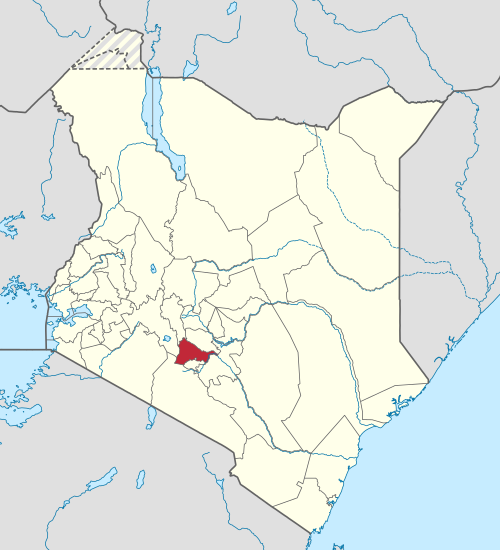
Kiambu is a vibrant county located in the central region of Kenya, situated to the north of Nairobi, the country's capital. Established as a part of the former Central Province, Kiambu is named after the Kikuyu word “kiambus,” which translates to "a place of many waters," indicative of the area's lush landscape and numerous rivers. The county covers an area of approximately 2,543 square kilometers and is characterized by a range of geographical features, including hills, valleys, and fertile plains. Kiambu boasts a diverse population primarily comprising the Kikuyu ethnic community, which is one of the largest ethnic groups in Kenya.
The town of Kiambu serves as the administrative center for the county, but the region is also home to other notable towns such as Thika, Ruiru, and Gatundu. Kiambu is renowned for its agricultural productivity, especially in the cultivation of tea, coffee, and horticultural products, which thrive in its rich volcanic soils and favorable climate. Additionally, the county has seen significant urbanization and development over the years, leading to a growing economy and an expanding infrastructure that includes roads, schools, and healthcare facilities. Due to its proximity to Nairobi, Kiambu has emerged as a key residential area for commuters working in the capital, contributing to its rapid population growth and urban sprawl.
Kiambu county is also known for its cultural heritage and historical sites. The region played a vital role during Kenya's struggle for independence and has several monuments and sites of significance. Among these is the famous Kikuyu home of the first president of Kenya, Jomo Kenyatta, located in Gatundu. Today, Kiambu balances modern development with the preservation of its rich history, making it an attractive destination for both residents and visitors. With ongoing investments in education, healthcare, and infrastructure, Kiambu continues to evolve as one of Kenya's key counties, reflecting the dynamic growth of the nation as a whole.
Facts about Kiambu
- Kiambu is known for being one of the closest counties to Nairobi, making it a hub for real estate development and urban expansion.
- The county has a rich agricultural background, renowned for its tea and coffee production, with some of the best-quality tea estates located in the area.
- Kiambu is home to the famous Karura Forest, a significant urban forest that provides recreational spaces and promotes biodiversity within proximity to the bustling city.
- The county has several prestigious educational institutions, including the University of Nairobi’s College of Agriculture and Veterinary Sciences, highlighting its commitment to education.
- Kiambu played a historical role during the Mau Mau Uprising, with many of its residents participating in the struggle for Kenya’s independence from colonial rule.
- The town of Kiambu features notable landmarks, such as the iconic Kihumbu-ini Church, which showcases historical architecture and serves as a center for local culture.
- Every year, Kiambu County hosts the Kiambu International Trade Fair, which promotes local businesses and attracts traders from various regions.
- The Kiambu County Government has implemented various technological initiatives, such as the paperless office system, to enhance efficiency in governance.
- Kiambu is culturally diverse, hosting various ethnic groups, which is reflected in its food, festivals, and community events.
- The county has made significant advancements in healthcare, with several modern hospitals and health facilities, making it a regional healthcare hub.