Kikwit, DR Congo
- 509,367 people
- -5.0487, 18.7839
No places available for this city.
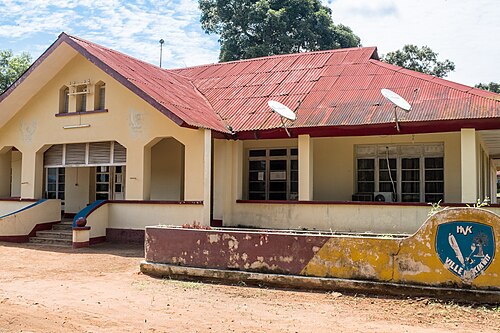
Kikwit is a city located in the northwestern region of the Democratic Republic of the Congo (DR Congo), specifically in the province of Kwilu. It serves as the capital of the Kwilu Province and is situated approximately 500 kilometers southwest of the nation's capital, Kinshasa. The city was founded in the late 19th century and has grown to become an important urban center in the Congo Basin. Kikwit is strategically positioned along the Kwilu River, which plays a crucial role in the local economy, facilitating transport and trade for the surrounding rural areas.
Kikwit is notable for its vibrant culture and rich history, with a population estimated at over 200,000 residents. The economy of Kikwit is primarily based on agriculture, with cassava, maize, and plantains being the main crops grown in the region. The local market thrives on the sale of agricultural products, handicrafts, and other goods. Additionally, Kikwit has become recognized for its role in the medical field; it gained international attention during the Ebola outbreaks in the late 20th century, specifically in 1995 when the city was the epicenter of a significant outbreak. The presence of health facilities and NGOs has led to improvements in healthcare services and public health education.
Kikwit's infrastructure includes roads connecting it to other major cities, but these can be challenging due to seasonal flooding and wear. The city's educational institutions are evolving, with primary and secondary schools as well as vocational training centers. Cultural life in Kikwit is vibrant, with local traditions, music, and festivals reflecting the diversity of the Congolese people. The city's location and resources make it a significant hub for both cultural expression and economic activity in the region. Despite facing challenges such as poverty and infrastructure development, Kikwit continues to retain its importance within the broader context of the Democratic Republic of the Congo.
Facts about Kikwit
- Kikwit is known for its vibrant cultural heritage, particularly its traditional music and dance forms, which are prominent in the region.
- The city is situated in the Kwilu Province and serves as the provincial capital, making it an administrative hub in the area.
- Kikwit played a significant role during the Ebola outbreak in the late 1990s, which has led to increased awareness and research on infectious diseases in the region.
- The city is located near the Congo River, making it an important location for trade and transportation, distinguishing it from many other inland cities.
- Kikwit is home to the annual 'Kikwit Festival,' which showcases local arts, crafts, and cuisine, attracting visitors from across the country.
- The city has a diverse population that includes various ethnic groups, contributing to a rich tapestry of cultural practices and languages.
- Kikwit has several notable landmarks, including the 'Bandeira Bridge,' which is an important crossing point for the region.
- It is recognized for its agricultural production, particularly cassava, which supports both local consumption and trade.
- Kikwit was historically a center for the Catholic Church in the region, with several prominent institutions and churches contributing to its social structure.
- The city has seen significant growth in recent years, partly due to its strategic location and the development of infrastructure, setting it apart from smaller towns.