Kimje, South Korea
- 44,894 people
- 35.8069, 126.8961
No places available for this city.
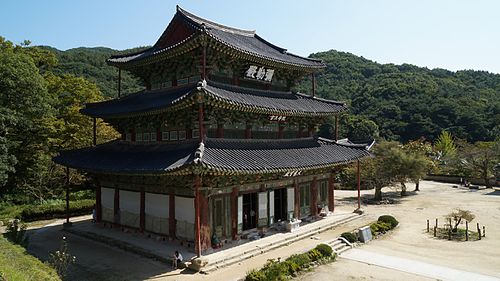
Kimje is a city located in the North Jeolla Province of South Korea, known for its rich cultural heritage and agricultural significance. Situated approximately 200 kilometers southwest of Seoul, it serves as a vital hub for rice production, earning recognition for its fertile land and favorable climate. The city’s agriculture is not limited to rice; it also produces a variety of fruits and vegetables, showcasing the region's diverse agricultural capabilities. Kimje’s landscape is marked by scenic mountains and rivers, enhancing its appeal to nature enthusiasts. The Geumgang River, which runs through the city, is an essential resource for irrigation and plays a crucial role in local agriculture.
Historically, Kimje has been a center of traditional Korean culture. It is home to the revered Kimje National Museum, which preserves and presents artifacts and artworks from Korea’s past, offering insights into the region's history and culture. Additionally, the city hosts the annual Kimje Rice Festival, an event that celebrates the local rice harvest and attracts visitors from across the country. This festival features a range of activities, including traditional music performances, rice cooking competitions, and agricultural exhibitions, which highlight the importance of rice in Korean cuisine and culture. With its blend of agriculture, history, and community events, Kimje stands as a testament to the deep-rooted traditions of South Korea while continuing to adapt to modern developments.
Facts about Kimje
- Kimje is famous for its traditional agricultural practices and is often referred to as the 'Rice Capital' of South Korea due to its extensive rice cultivation.
- The city hosts the Kimje Goryeo Food Festival, which celebrates the rich culinary traditions of the Goryeo dynasty, featuring local food and historical dishes.
- Kimje is home to the ancient Beopjusa Temple, a Buddhist temple founded in the 7th century during the Silla dynasty, known for its beautiful architecture and historical significance.
- The Kimje National Agricultural University, established in 1947, is a prominent institution that contributes to research and education in agricultural sciences in the country.
- The Kimje City Museum showcases the region's history, culture, and agricultural heritage, making it a unique attraction for visitors interested in local history.
- Each fall, Kimje hosts the Kimje Rice Festival, which attracts tourists and showcases various rice products, traditional performances, and cultural activities.
- The city is strategically located near the Geumgang River, contributing to its agricultural prosperity and scenic views, distinguishing it from many other cities in the region.
- Kimje is known for its unique local delicacies, including 'Kimje Goguma' (Kimje sweet potatoes), which are celebrated for their taste and high nutritional value.
- The city's architecture features a blend of traditional Korean styles and modern developments, with prominent landmarks such as the Kimje City Hall and various palaces.
- Kimje has a thriving community of artists and craftsmen, particularly known for its pottery and ceramics, which reflect the city’s cultural heritage.