Kindia, Guinea
- 161,024 people
- 3 places to visit
- 10.0407, -12.863
Places to Visit (3)
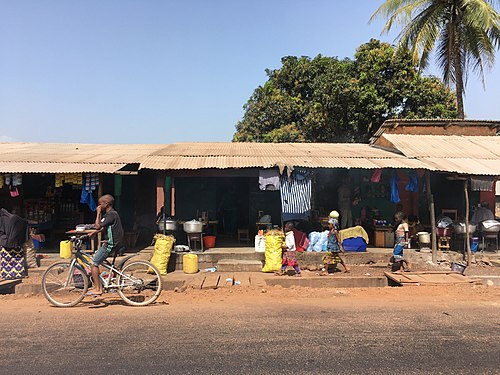
Kindia is a city located in the west-central part of Guinea, serving as the capital of the Kindia Region. Positioned approximately 140 kilometers from Conakry, the nation's capital, Kindia is often referred to as the "City of Orchids" due to its lush greenery and abundant floral diversity. The city has an elevation of about 600 meters, which contributes to its moderate climate compared to the coastal areas of Guinea. The population of Kindia is diverse, comprising various ethnic groups, including the Soussou and Malinké, with French as the official language of communication.
Economically, Kindia serves as a commercial hub within the region, with agriculture playing a significant role. The surrounding countryside is known for cultivating crops such as bananas, cassava, and rice, benefitting from fertile soils and a favorable climate. Additionally, the region is rich in natural resources, including bauxite, which is crucial for aluminum production. This mineral wealth has fostered economic activity and attracted several mining companies to the area. Kindia’s infrastructure includes a mix of modern amenities and traditional markets, facilitating local trade and commerce.
Culturally, Kindia is vibrant, showcasing a variety of traditional music, dance, and festivals that reflect the rich heritage of its communities. Prominent local landmarks include the Kindia Mosque and the historic railway station, which highlight the city's colonial past. The city's proximity to scenic attractions, such as the Kalia and Bintim mountains, makes it a popular destination for eco-tourism. Visitors can explore hiking trails and enjoy panoramic views of the surrounding landscapes. Kindia is also noted for its commitment to education and healthcare, featuring several institutions that serve the local population. Overall, Kindia represents a blend of economic vitality, cultural richness, and natural beauty within Guinea.
Facts about Kindia
- Kindia is often referred to as the 'Rose City' due to the numerous rose plants that flourish in the area, making it a unique botanical hub in Guinea.
- The city is also known for its production of pineapples and ginger, contributing significantly to the local economy and agricultural diversity in Guinea.
- Kindia serves as a critical junction connecting several major roads, making it a vital transport and trade hub in Guinea.
- Historical significance is noted in Kindia, as it was founded in the late 19th century and has since evolved into a key player in the country's development.
- One of the prominent landmarks in Kindia is the Mont Nimba, a UNESCO World Heritage site that features unique biodiversity and geological formations.
- Kindia has a well-recognized and vibrant cultural scene, hosting various events that showcase traditional dance, music, and crafts, distinguishing it from other towns.
- The city is home to the Kindia Dam, which provides hydroelectric power and contributes to the region's energy supply, enhancing its importance in Guinea's infrastructure.
- In comparison to other cities in Guinea, Kindia is known for its cooler climate due to its elevation, making it a refreshing escape from the heat experienced elsewhere.
- Kindia has a rich history of resistance and resilience during colonial times, with local leaders playing key roles in the fight for independence in Guinea.
- The city has been recognized for its efforts in promoting tourism, with various attractions and accommodations catering to both local and international visitors.