Kindu, DR Congo
- 234,651 people
- 2 places to visit
- -2.9492, 25.9231
Places to Visit (2)
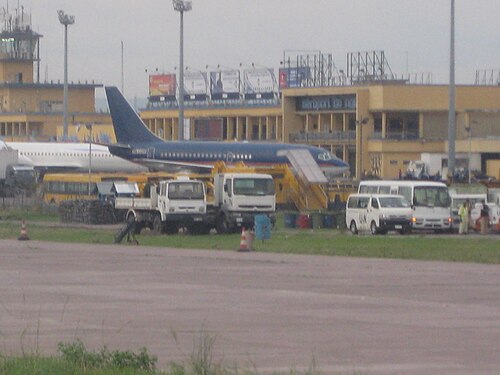
Kindu is a city located in the eastern region of the Democratic Republic of the Congo (DRC), serving as the capital of Maniema Province. It lies along the banks of the Congo River and is strategically positioned at the confluence of the Lualaba River. The city is approximately 1,080 kilometers southeast of the capital, Kinshasa, and serves as a key transportation hub for the region, connecting various trade routes that contribute to the economic activities of the surrounding areas. Kindu is characterized by its lush tropical landscape, which is part of the larger Congo rainforest ecosystem, offering rich biodiversity and abundant natural resources.
Historically, Kindu has played a significant role in the socio-economic and political landscape of the DRC. The city was the site of various historical events, including being occupied during the Congo Free State era and later experiencing turmoil during the Second Congo War. Locally, it has struggled with the impacts of conflict, which have affected infrastructure and public services. Despite these challenges, Kindu has a vibrant cultural scene, influenced by the diverse ethnic groups in the area, including the Tembo, Nyanga, and other Bantu communities. The economy of Kindu relies largely on agriculture, forestry, and fishing, with the primary crops including cassava, maize, and beans. With ongoing development efforts, Kindu is gradually working towards recovery and growth, aiming to create a more stable environment for its inhabitants and foster better economic opportunities.
In recent years, improvements in transportation and communications infrastructure have been a focus for the government and international organizations, aimed at enhancing trade and accessibility. While challenges such as political instability, poverty, and health issues persist, initiatives aimed at community development and resource management seek to uplift the population. As Kindu continues to evolve, its unique cultural heritage and natural beauty present potential for tourism and sustainable growth, offering hope for a prosperous future in this part of the DRC.
Facts about Kindu
- Kindu is known as the 'City of the Swallows', due to the large flocks of swallows that nest in the area.
- The city is located near the confluence of the Lualaba and Congo Rivers, making it a significant geographical point in the region.
- Kindu was the site of significant events during the Congo Crisis in the 1960s, including the assassination of important political figures.
- The town is the capital of Maniema Province, which is notable for its rich biodiversity and natural resources, including gold and minerals.
- Kindu serves as a transportation hub for river trade, facilitating commerce between various regions of the DRC.
- The city is home to the Kindu Peace Park, which promotes environmental conservation and local community development.
- Kindu has a unique cultural identity, influenced by various ethnic groups, including the Tembo and Luba peoples.
- The city hosts the annual Kindu Cultural Festival, showcasing local music, dance, and crafts, which attracts visitors from across the country.
- Kindu is characterized by its tropical climate, contributing to its lush landscapes and agricultural productivity.
- The history of Kindu includes being the landing site for Belgian explorer Henry Morton Stanley in the late 19th century during his exploration of the Congo.