Kinokawa, Japan
- 60,592 people
- 1 places to visit
- 34.2698, 135.3627
Places to Visit (1)
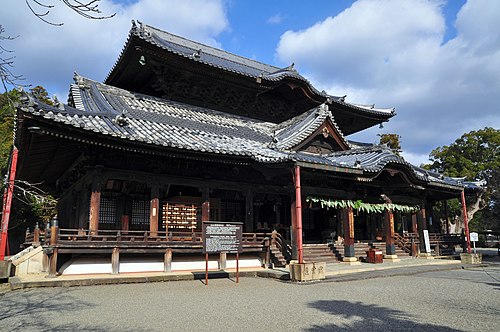
Kinokawa is a city located in the Wakayama Prefecture of Japan, situated on the Kii Peninsula. Established as a city in 2005 through the merger of several municipalities, Kinokawa is known for its rich cultural heritage and picturesque landscape, characterized by the lush greenery of its mountainous surroundings and the flow of the Kinokawa River. The city is connected to essential transportation routes, including the Nankai Main Line and the Hanwa Expressway, which facilitate access to neighboring urban areas, including Wakayama City and Osaka.
The city has a blend of traditional and modern attractions, making it an appealing destination for tourists and residents alike. Kinokawa is home to several historical sites, including ancient temples and shrines, which reflect Japan's spiritual heritage. In particular, the city's proximity to important cultural landmarks, such as the Kumano Kodo pilgrimage routes—a UNESCO World Heritage Site—highlights its significance in Japan's historical context. Additionally, Kinokawa celebrates various festivals throughout the year, showcasing local customs, arts, and cuisine, which contribute to its vibrant community life.
Economically, Kinokawa thrives on agriculture, with rice, fruits, and vegetables being significant products of the region. The city also fosters small industries and local craftsmanship, emphasizing sustainability and traditional practices. As Kinokawa continues to develop, it embraces both its historical roots and modern advancements, striving to enhance the quality of life for its residents while promoting tourism and preserving its rich cultural legacy.
Facts about Kinokawa
- Kinokawa is known for its unique production of washi paper, which has been made using traditional methods for centuries.
- The city hosts the annual Kinokawa Matsuri, a vibrant festival that showcases local culture, including traditional performances and food.
- Kinokawa is home to the famous Kumano Kodo pilgrimage routes, which are UNESCO World Heritage Sites, attracting hikers and tourists interested in ancient trails.
- The city is notable for the Kinokawa River, which is celebrated for its beautiful scenery and recreational activities such as kayaking and fishing.
- Kinokawa has historical significance due to its association with the powerful Watanabe clan during the feudal era, with remains of their castle structures still visible.
- The area is recognized for its semi-tropical climate, resulting in a diverse ecosystem and the cultivation of unique local flora.
- Kinokawa is one of the centers of citrus fruit production in Japan, particularly known for its tosa mikan variety, benefiting from the region's warm climate.
- In addition to washi paper, Kinokawa is also famous for its traditional pottery, including unique forms and glazes that reflect the local heritage.
- The city has a strong commitment to sustainability and environmental preservation, promoting eco-tourism and local ecological initiatives.
- Kinokawa is a lesser-known gem of the Wakayama Prefecture, providing a quieter alternative to larger cities while still rich in cultural and historical sites.