Kirkuk, Iraq
- 1,031,000 people
- 5 places to visit
- 35.4666, 44.3799
Places to Visit (5)
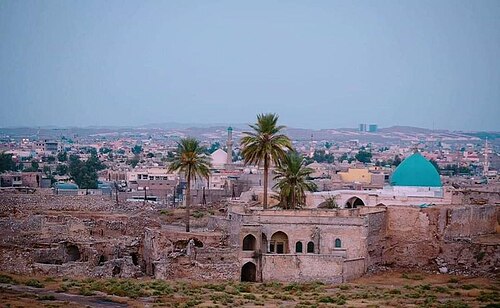
Kirkuk is a city located in northern Iraq, known for its rich historical significance and diverse cultural heritage. Situated approximately 250 kilometers north of Baghdad, it serves as the capital of the Kirkuk Governorate. The city has been a pivotal center throughout various civilizations, with evidence of human settlement dating back to ancient times, including the Assyrian and Babylonian empires. Kirkuk’s historical significance is underscored by its numerous archaeological sites, such as the Citadel of Kirkuk, which dates back to the medieval period and showcases a blend of various architectural styles. The city’s population is ethnically and religiously diverse, comprising Kurds, Arabs, Turkmen, and Assyrians, which has contributed to its vibrant cultural landscape but also to a complex sociopolitical climate.
The economy of Kirkuk has traditionally been driven by its oil reserves, which are among the largest in Iraq. The Kirkuk oil field, discovered in the early 20th century, played a crucial role in the development of Iraq’s petroleum industry. However, the city has faced significant challenges in recent decades, particularly due to sectarian conflict, the rise of ISIS, and ongoing disputes between the Kurdish regional government and the federal government in Baghdad over control of oil resources. Security conditions in Kirkuk have fluctuated, impacting its economic stability and the wellbeing of its residents. Despite these challenges, the city remains an essential hub in Iraq due to its strategic location, resource wealth, and cultural heritage, with ongoing initiatives aimed at fostering reconciliation and development among its diverse communities.
Facts about Kirkuk
- Kirkuk is known for its rich oil reserves, often referred to as the 'oil city' of Iraq, playing a critical role in the country's economy.
- The city has a diverse demographic composition, primarily consisting of Kurds, Arabs, Turkmen, and Assyrians, which makes it a unique cultural melting pot.
- Kirkuk is home to the ancient Citadel of Kirkuk, a historic fortress that has been a prominent structure since the Assyrian period and reflects the city's long history.
- The city has a historical significance as a key site in the Assyrian Empire, and various archaeological sites around Kirkuk evidence its ancient heritage.
- Kirkuk is located at an elevation that contributes to its unique climate compared to other Iraqi cities, experiencing less extreme temperatures.
- The architecture in Kirkuk features a blend of styles from different periods, with prominent influences from Assyrian, Persian, Ottoman, and modern Iraqi designs.
- The Kirkuk province is known for its agricultural production, particularly in wheat and barley, which contrasts with the prevailing oil-centric economy of the region.
- Kirkuk has witnessed significant political and ethnic tensions since the 2003 invasion of Iraq, influencing its local governance and demographic shifts.
- The city hosted the famous Kirkuk Rally, a notable event in the world of motorsports, showcasing its role in fostering regional sports and recreation.
- One of the city's landmarks, the Great Mosque of Kirkuk, built during the Ottoman era, is significant for its historical and architectural value, featuring stunning Islamic design.