Kismayo, Somalia
- 234,852 people
- 2 places to visit
- -0.356, 42.5461
Places to Visit (2)
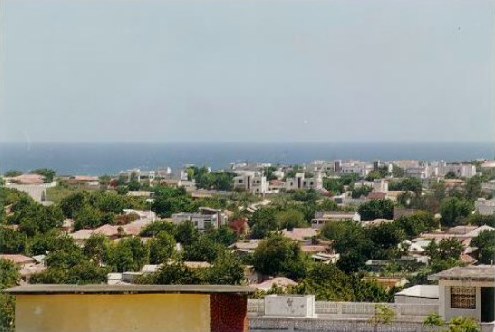
Kismayo is a coastal city located in the southern part of Somalia, specifically in the Jubaland state. Situated at the confluence of the Jubba River and the Indian Ocean, it plays a crucial role as a port city and a commercial hub. Historically significant, Kismayo has been inhabited for centuries and has served as a vital seaport for trade, connecting inland regions of Somalia with maritime routes. The city has experienced various phases of development and decline, heavily influenced by political instability and conflict, particularly in the late 20th century during the Somali Civil War.
The population of Kismayo is diverse, predominantly consisting of Somali clans, including the Abgal and the Marehan, along with a significant number of people from different ethnic backgrounds due to its historical role as a trade center. The city’s economy is largely based on fishing, agriculture, and trade; its strategic location makes it ideal for fishing industries, with local fishermen contributing significantly to the livelihoods of residents. Additionally, Kismayo is known for its rich agricultural lands, producing fruit and vegetables, which are essential for local consumption and trade markets. However, the ongoing challenges of clan rivalries, piracy, and the presence of militant groups have hindered consistent economic growth and infrastructural development.
In recent years, Kismayo has seen attempts at stabilization and governance, particularly following the establishment of the Jubaland state. The city is now administered by the Jubaland regional government, which works in collaboration with the federal government of Somalia and international partners to restore security, improve governance, and promote economic recovery. While Kismayo is still recovering from years of conflict, it remains a city of strategic importance, with ongoing efforts to enhance its infrastructure and boost trade. The potential for growth in tourism, owing to its beautiful coastline and historical sites, is also being recognized, although this sector requires further development and stability to flourish. As Kismayo continues to navigate its complex history and challenges, it holds both promise and potential for the future of the region.
Facts about Kismayo
- Kismayo is the third largest city in Somalia and serves as an important port city on the southern coast, distinguishing it from other urban areas that may be more inland.
- Historically, Kismayo has been a center for trade and commerce due to its strategic location along the Indian Ocean, attracting merchants and traders from various regions.
- The city's name is derived from the Somali word 'Kismay,' which means 'the place of the white rocks,' referring to the white coral and limestone formations found in the area.
- Kismayo is home to the Jubba River, which is one of the longest rivers in Somalia and provides vital irrigation for agriculture in the region, setting it apart from other cities that lack significant waterways.
- The port of Kismayo has undergone numerous changes in administration and control, including influences from the Italian colonial period, making it a historical hotspot for maritime activity in Somalia.
- In recent years, Kismayo has been noted for its role in post-conflict reconstruction and development, emerging as a model for rebuilding efforts in comparison to other war-torn cities.
- The city hosts the Kismayo International Airport, which serves as a crucial transportation hub, facilitating travel and commerce unlike many smaller towns in Somalia that have limited access to air travel.
- Kismayo is known for its vibrant Somali culture and history, with numerous festivals celebrating traditional music, arts, and food, enhancing its cultural identity within the country.
- Kismayo's unique mix of ethnic communities, including different Somali clans and various immigrant populations, contributes to its multicultural atmosphere not found in all Somali cities.
- The city's proximity to the Ras Kamboni coastal area, with its stunning beaches and natural landscapes, makes Kismayo a notable destination for tourism compared to more arid inland regions.