Kitakata, Japan
- 46,269 people
- 13 places to visit
- 37.6513, 139.8746
Places to Visit (13)
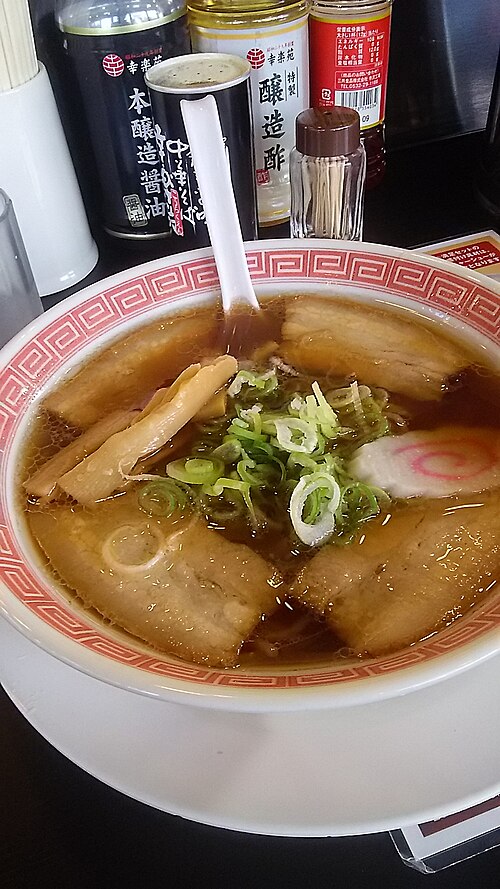
Kitakata is a city located in Fukushima Prefecture, Japan, known for its rich cultural heritage and a strong connection to traditional crafts. With a population of approximately 49,000 residents, Kitakata is nestled in a region surrounded by mountains, providing a picturesque backdrop that enhances its rural charm. The city lies at the confluence of the Asahi and Nikkawa rivers, contributing to its fertile land and agricultural productivity. Kitakata is famously recognized for its ramen—the noodles are renowned for their unique texture and flavor, which attract food enthusiasts from across Japan. The city hosts an annual ramen festival that celebrates this culinary specialty, drawing visitors who revel in the diverse offerings from local restaurants.
In addition to its culinary fame, Kitakata is also a hub for traditional sake brewing. The city boasts numerous sake breweries that have been perfecting their craft for generations. Many of these breweries offer tours and tastings, enabling visitors to immerse themselves in the local culture and the processes behind sake production. Kitakata's historical significance is further highlighted by its well-preserved Edo-period architecture, with several structures designated as Important Cultural Properties. The city's commitment to preserving its cultural assets is exemplified by the Kitakata Museum, which showcases local art and history, including exhibits on ceramics and other local crafts. The combination of culinary excellence, cultural depth, and scenic beauty makes Kitakata a notable destination for both domestic and international visitors, contributing to its standing as a vibrant part of Japan's cultural landscape.
Facts about Kitakata
- Kitakata is renowned for its unique style of ramen, often referred to as 'Kitakata ramen', characterized by a rich soy sauce broth and flat, wavy noodles.
- The city has the highest number of ramen shops per capita in Japan, showcasing its significance as a ramen capital.
- Kitakata is home to several traditional sake breweries, primarily utilizing the pure water sourced from the nearby mountains, making it a notable area for sake production.
- The city preserves a significant number of traditional wooden buildings, particularly in its well-known area called 'Kitakata's Old Town', which reflects its Edo-period architecture.
- Kitakata hosts the annual 'Kitakata Ramen Festival,' which attracts ramen lovers from across the country, celebrating the local noodle culture.
- The city is located near the scenic Bandai-Asahi National Park, offering various outdoor activities, including hiking and skiing.
- Kitakata has a historical connection to the famed artist Uesugi Kenshin, a prominent figure during the Sengoku period, who reportedly admired the region's beauty.
- The local population is known for their strong sense of community, participating in traditional festivals such as the Kitakata Kakeuma Festival celebrating local horse culture.
- It has an impressive agricultural heritage, with local products like tomatoes and vegetables being recognized for their quality and flavor.
- Kitakata is also famous for its stunning views of Mount Inawashiro and Lake Inawashiro, making it a picturesque destination for nature enthusiasts.