Knurów, Poland
- 39,744 people
- 12 places to visit
- 50.2219, 18.6706
Places to Visit (12)
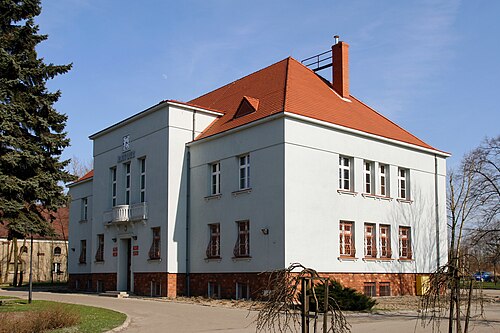
Knurów is a city located in southern Poland, within the Silesian Voivodeship, approximately 25 kilometers northwest of Katowice. With a population of around 18,000 residents, it has a rich history that traces back to the early Middle Ages. Initially, Knurów developed as a small settlement primarily known for its agricultural activities. However, the city's significance grew during the industrial revolution in the 19th century when it became a notable center for coal mining and heavy industry, contributing to the economic growth of the region.
The city is well integrated into the larger Silesian metropolitan area, which includes several nearby urban centers and is characterized by its diverse economy. Knurów is known for its coal-mining heritage, which influenced both its development and demographic changes over the decades. In addition to mining, Knurów has diversified into other industries, such as manufacturing and services, improving its economic resilience. Despite the decline of coal mining in recent years, the city has adapted to the changes, focusing on revitalizing its local economy and infrastructure.
Knurów features several cultural and recreational amenities, including parks, sports facilities, and community centers that promote civic engagement. The intricate network of transportation, including the nearby A1 motorway and local rail services, connects Knurów to major urban centers, making it accessible for commuters and tourists alike. The city also hosts annual events and festivals that celebrate its cultural heritage, fostering a sense of community among its residents. With ongoing efforts towards modernization and sustainable development, Knurów remains a vibrant and evolving center in Poland's Silesian region.
Facts about Knurów
- Knurów is known for its rich coal-mining history, having been an important center for coal production in Poland during the 20th century.
- The city hosts the unique 'Wild Animals Rescue Centre,' which focuses on rehabilitating injured and orphaned wild animals, making it a notable attraction in the region.
- Knurów is home to the historic Saint Barbara's Church, which showcases a blend of architectural styles, reflecting various periods in the region's history.
- The annual Knurów Street Art Festival attracts artists and visitors from various parts of Poland and beyond, celebrating creativity and community through murals and installations.
- Knurów features a distinctive landscape with the Cistercian Monastery Ruins in nearby Rudzienice, offering a glimpse into the medieval history of the Silesia region.
- In recent years, Knurów has developed its recreational facilities, including modern sports complexes and parks, promoting a healthy lifestyle among its residents.
- The city has a strong sense of community, evident in annual cultural events like the Knurowska Culture Festival, which celebrates local arts, crafts, and traditions.
- Knurów was granted town rights in 1934, distinguishing it from many surrounding villages that remained rural until later in the 20th century.
- The nearby Knurowskie Dunes are a unique natural feature that provide opportunities for outdoor activities and nature exploration, distinguishing Knurów from other urban areas.
- Knurów has made strides in renewable energy initiatives, being recognized for its efforts to transition from coal dependency to more sustainable energy solutions.