Kobe, Japan
- 1,522,188 people
- 20 places to visit
- 34.6901, 135.1956
Places to Visit (20)
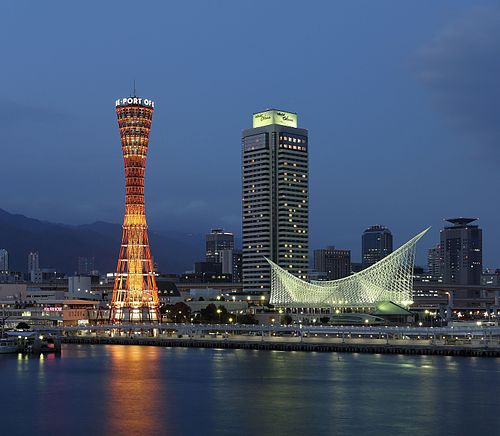
Kobe is a vibrant city located in the Hyōgo Prefecture of Japan, situated on the north shore of Osaka Bay. Known for its picturesque setting, it is flanked by the Rokko mountain range in the background, making it a unique blend of urban and natural landscapes. Kobe is one of Japan's major port cities, having been opened to foreign trade in 1868. As a hub for commerce and culture, it has developed a cosmopolitan atmosphere enriched by a diverse population that includes a significant number of expatriates. The city's strategic location has made it a vital point of trade and communication, contributing to its economic growth.
The city is widely recognized for its historical landmarks, including Ikuta Shrine, which dates back over 1,800 years, and the iconic Kobe Port Tower, a symbol of the city's maritime activities. Kobe is also internationally famed for its culinary specialties, most notably Kobe beef, a delicacy known for its superior marbling, tenderness, and flavor, drawing gourmets from around the world. Beyond the culinary scene, Kobe offers various cultural experiences, including art museums, the preserved European-style architecture of the Kitano district, and annual festivals such as the Kobe Luminarie, commemorating the victims of the Great Hanshin Earthquake of 1995.
Despite facing significant challenges, particularly the devastating earthquake in 1995 that caused extensive damage and loss of life, the city has shown remarkable resilience and revitalization efforts. Reconstruction initiatives have led to modern infrastructure and urban planning, fostering a renewed sense of community and innovation. Today, Kobe is not only a testament to Japan's ability to recover from disaster but also a thriving metropolis that harmoniously blends tradition with modernity. Visitors and residents alike enjoy a bustling city life, enriched by cultural diversity, scenic beauty, and delicious cuisine, making Kobe a noteworthy destination in Japan.
Facts about Kobe
- Kobe is famous for its high-quality beef, known as Kobe beef, which is renowned worldwide for its flavor and tenderness.
- The city is located in the Hyogo Prefecture, bordered by the Rokko Mountains and the Seto Inland Sea, providing a unique coastal and mountainous landscape.
- Kobe has a significant foreign influence, with many international communities present since the city was opened to foreign trade in 1868, leading to a blend of Western and Japanese cultures.
- The Kobe Earthquake in 1995, also known as the Great Hanshin Earthquake, had a profound impact on the city, leading to extensive rebuilding and modernization efforts.
- Kobe is home to the iconic Kobe Port Tower, a red, 108-meter-tall tower that serves as an observation deck and symbolizes the city’s maritime heritage.
- The city features the picturesque Meriken Park, which showcases modern architecture and public artworks, alongside its waterfront and harbor activities.
- Kobe’s Chinatown, known as Nankinmachi, is one of the largest Chinatowns in Japan, offering a vibrant mix of Chinese culture and cuisine.
- The annual Kobe Luminarie festival is held to commemorate the victims of the 1995 earthquake with an elaborate light display that attracts millions of visitors each December.
- Kobe is also known for its extensive sake brewing tradition, with many sake breweries located in the nearby Nada district, recognized for its high-quality sake production.
- The city played a significant role in Japan’s modernization during the Meiji period, particularly in maritime trade, and was one of the first cities in Japan to adopt Western architectural styles.