Kochi, Japan
- 332,059 people
- 12 places to visit
- 33.5589, 133.5312
Places to Visit (12)
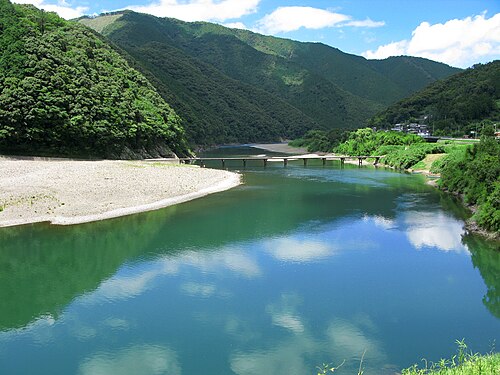
Kochi is a vibrant city located on Shikoku Island in Japan, serving as the capital of Kochi Prefecture. Nestled along the Pacific coast, it has a population of around 330,000 people and is known for its rich historical background, natural beauty, and cultural heritage. The city was historically significant as a center for trade and politics during the Edo period, particularly under the domain of the Yamada Clan. Kochi's downtown area features a blend of modern and traditional architecture, with the Kochi Castle, built in 1601, being one of the most prominent landmarks. The castle is a well-preserved example of feudal Japanese architecture and offers visitors a glimpse into the region’s samurai past. Aside from its historical sites, Kochi is famous for its vibrant markets, notably the Hirome Market, where visitors can experience local cuisine, including the renowned katsuo no tataki (seared skipjack tuna).
Kochi’s natural environment plays a significant role in its appeal. The city is surrounded by picturesque landscapes, including the lush Shikoku Mountains and the serene coastline. Outdoor activities such as hiking, fishing, and surfing attract both locals and tourists alike. The nearby Katsurahama Beach offers beautiful sandy stretches and scenic views, while the Niyodo River is popular for kayaking and canoeing. Kochi is also a gateway to several stunning national parks, including the Shikoku Karst and the Ashizuri-Uwakai National Park, which provide opportunities for nature exploration. Additionally, Kochi is known for its vibrant festivals, such as the Yosakoi Festival, where dancers showcase colorful costumes and lively performances, turning the streets into a celebration of culture and community spirit.
The local economy of Kochi is diverse, with agriculture, fisheries, and tourism playing key roles. The region is one of Japan’s top producers of yuzu citrus and has a thriving agricultural sector that benefits from the favorable climate. The fishing industry, particularly the harvesting of bonito and mackerel, is vital to the local economy and culinary scene. As Kochi continues to modernize, it retains its charm through its historical neighborhoods, traditional crafts, and warm hospitality. The city's unique blend of culture and nature makes it a captivating destination for those seeking to explore the heart of Japan away from the more commercialized urban centers.
Facts about Kochi
- Kochi is known for its unique Sunday market, 'Sunday Market' (Nichi-Yasai), which has been held for over 300 years, showcasing local products and crafts.
- The city is famous for 'Kochi Harimaya-bashi' (Harimaya Bridge) which is often associated with the folklore of 'Yosakoi', a traditional dance festival originating from the city.
- Kochi is home to Kochi Castle, one of the few surviving castles in Japan with original wooden structures, giving visitors a glimpse into the country's feudal past.
- The city is renowned for its production of 'Katsuo' (bonito fish), particularly its 'katsuobushi' (dried bonito flakes), which is a key ingredient in many Japanese dishes.
- Kochi is unique for its 'Yosakoi' festival, which combines traditional Japanese dance with modern music and has grown into a popular cultural event across Japan.
- The 'Kochi Prefectural High School' produced several notable figures in Japanese history, including the famous samurai and political reformer Sakamoto Ryoma.
- Kochi is geographically situated in Shikoku and is recognized for its beautiful natural landscapes, including the stunning Katsurahama Beach and the scenic Shimanto River.
- The region is famous for Shikoku's '88 Temples Pilgrimage', which begins at the temple located in Kochi Prefecture, specifically the first temple, Ryozenji.
- Kochi is also well-known for its citrus fruits, particularly the 'yuzu' and 'kabosu', which are integral to local cuisine and beverages.
- The city celebrates its vibrant traditions through various festivals, including the Kochi Yosakoi Festival held in August, attracting thousands of participants and tourists each year.