Koforidua, Ghana
- 151,255 people
- 9 places to visit
- 6.0784, -0.2714
Places to Visit (9)
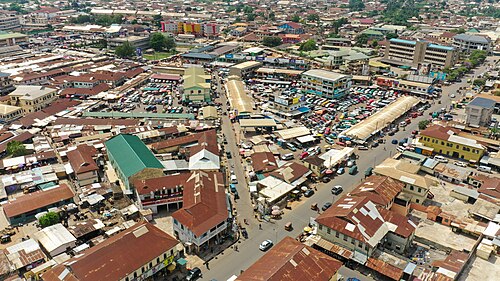
Koforidua is the capital city of the Eastern Region of Ghana and serves as a significant commercial and administrative center within the country. Located approximately 128 kilometers northwest of Accra, the nation's capital, Koforidua is situated in a lush, hilly terrain that provides a picturesque backdrop to the urban landscape. The city is known for its vibrant markets, including the Koforidua Market, which serves as a hub for trade in various goods ranging from textiles to local produce. The population of Koforidua is diverse, comprising various ethnic groups, with the Akan people being predominant. The city plays a crucial role in the regional economy, supported by agriculture, trade, and small-scale manufacturing.
Koforidua is also recognized for its educational institutions, including the Koforidua Technical University, which offers a range of vocational and technical courses, contributing to the region’s human resource development. The city is rich in cultural heritage, hosting traditional festivals such as the Akwambo Festival, which celebrates the harvest and honors ancestors. Furthermore, Koforidua is famous for its picturesque views and proximity to tourist attractions like the Boti Falls and the Asiakwa district. The local climate is generally mild and tropical, characterized by a rainy season that often occurs from April to October. As Koforidua continues to grow, it reflects the broader socio-economic changes happening in Ghana, combining tradition with modernity and striving for sustainable development.
Facts about Koforidua
- Koforidua is known as the capital of the Eastern Region of Ghana and serves as a significant administrative and commercial hub.
- The city is famous for its rich culture, particularly the Ewe and Akan traditions, and is known for the colorful Koforidua 'Kente' cloth weaving.
- Koforidua has a unique topography, being situated on a plateau surrounded by beautiful hills, making it one of the cooler cities in Ghana.
- The city hosts the annual Koforidua Homowo Festival, celebrated by the native people, which involves traditional food and fun activities to commemorate a good harvest.
- Koforidua is home to the prestigious Koforidua Technical University, which offers various vocational and technical training programs.
- The Koforidua Central Market is one of the largest in the Eastern Region, showcasing a wide variety of goods and acting as a vital trade center.
- Koforidua is well known for its proximity to the Boti Falls, a famous tourist attraction that features scenic waterfalls and lush nature trails.
- The city is historically significant as it played a crucial role in the cocoa trade, especially during the early 20th century, influencing economic development in the region.
- Koforidua is also famous for its beautiful botanical gardens, which are among the few formal gardens in Ghana and attract tourists and botanical enthusiasts.
- The city’s unique blend of urban and rural features, with rich agricultural activities surrounding it, distinguishes it from other metropolitan areas in Ghana.