Kohat, Pakistan
- 151,427 people
- 6 places to visit
- 33.5889, 71.4429
Places to Visit (6)
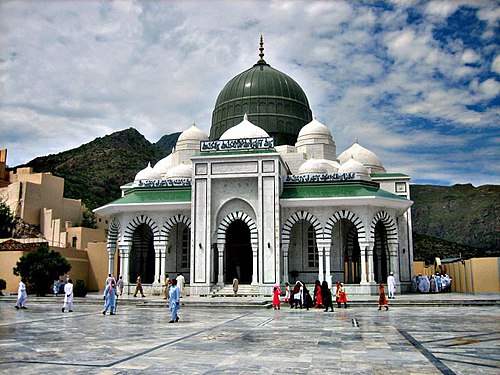
Kohat is a city located in the Khyber Pakhtunkhwa province of Pakistan, situated to the northwest of the capital city, Islamabad. It serves as the administrative center of the Kohat District and is known for its rich history and strategic location as a gateway to several regions in Pakistan. The city lies at the edge of the Kohat Pass, a significant thoroughfare that historically connected the northern areas with the southern regions of the country. Surrounded by the picturesque landscape of the southern foothills of the Himalayas, Kohat has a diverse population, primarily comprising Pashtuns, with smaller communities of other ethnic groups. Its elevation of approximately 1,500 meters (4,900 feet) grants it a distinct climate, characterized by hot summers and mild winters.
Kohat has a rich cultural heritage, influenced by various civilizations throughout history, including the Indus Valley civilization and later, Persian and Greco-Buddhist cultures. The city is well-known for its historical sites, including ancient forts and ruins, which reflect its importance as a trade route and military stronghold in various eras. One of the key historical attractions is the Qadri Mosque, a beautifully designed structure that highlights the city's Islamic architectural heritage. Furthermore, Kohat is famous for its agricultural produce, particularly potatoes, wheat, and a variety of fruits, which thrive in its fertile plains. The city also boasts of various mineral deposits, including limestone and gypsum, contributing to its economic activities.
The economy of Kohat is diverse, with agriculture being a critical component, but the service industry and trade also play vital roles. The city has been experiencing gradual growth in terms of infrastructure, education, and healthcare services, facilitating improved living standards for its residents. Kohat is home to several educational institutions, ranging from schools to universities, that cater to a growing population. The bustling bazaars and markets in Kohat vividly reflect local culture and commerce, attracting visitors and traders from surrounding areas. Overall, Kohat represents a blend of history, culture, and modernity, making it an interesting city within Pakistan.
Facts about Kohat
- Kohat is known for its rich historical significance, particularly as a crucial military outpost for the British Raj in India during the 19th century.
- The city is home to the Tanda Dam, which is one of the key water reservoirs in the region and supports agriculture and local wildlife.
- Kohat has a unique blend of Pashto and Urdu cultures, which is reflected in its local festivals, music, and cuisine.
- The Kohat Fort, built during the British era, is a prominent landmark and serves as a reminder of the city's military history.
- Kohat is famous for its production of high-quality cement, with several large cement plants located in the area, contributing significantly to the national economy.
- The city is known for its vibrant bazaars, particularly the Kohat Bazaar, where traditional handicrafts, including pottery and textiles, are sold.
- Kohat is strategically located near several archaeological sites, including the ancient city of Akra, which dates back to as early as the 2nd century BCE.
- The Kohat tunnel, completed in 2009, significantly improved transportation between the northern regions and the rest of the country, enhancing trade and tourism.
- Kohat has a rich tradition of storytelling and poetry, with local poets contributing to the Pashto literary heritage.
- The Women's University of Kohat, established in 2004, is a notable institution promoting higher education among women in the region.