Kohtla-Järve, Estonia
- 35,395 people
- 9 places to visit
- 59.3973, 27.28
Places to Visit (9)
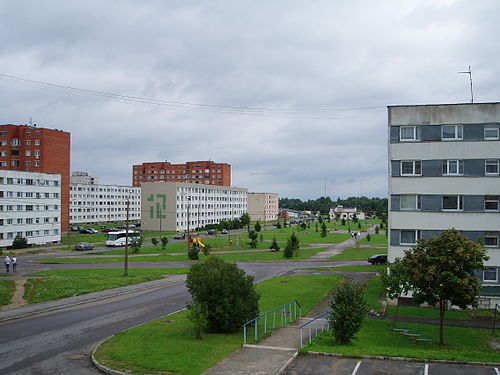
Kohtla-Järve is a city located in northeastern Estonia, standing as one of the largest urban centers in the Ida-Viru County. Established in the early 20th century, it gained prominence due to its rich natural resources, particularly oil shale, which became a vital part of the local economy. The city was officially granted municipal status in 1946 and has since evolved into a significant industrial hub. Kohtla-Järve has a diverse demographic profile, with a notable proportion of its inhabitants being Russian-speaking, reflecting the city's history and the Soviet-era migration policies that brought many ethnic Russians to the region.
The economy of Kohtla-Järve has traditionally been centered around the oil shale industry, which plays a crucial role in Estonia's energy supply. The city is home to several key enterprises involved in oil shale extraction and processing. However, as global energy trends shift toward renewable sources, Kohtla-Järve has faced challenges in diversifying its economy. Efforts have been made to revitalize the city through investment in technology, education, and tourism, highlighting its cultural heritage and unique landscapes. Notable attractions include the Kohtla-Järve Oil Shale Museum and various parks, while ongoing developments aim to enhance living standards and attract new residents and businesses.
Despite the economic transition, Kohtla-Järve maintains a strong sense of community and cultural identity. The city hosts various events and festivals that celebrate its multicultural makeup, helping to foster social cohesion among its residents. Educational institutions and local initiatives contribute to the development of skills necessary for the evolving job market. As Estonia continues to modernize, Kohtla-Järve is poised to redefine its role within the country, balancing its industrial past with a vision for a sustainable and prosperous future.
Facts about Kohtla-Järve
- Kohtla-Järve is known for its significant oil shale industry, which has played a vital role in Estonia's energy production since the early 20th century.
- The city features a unique blend of cultural influences, with a diverse population that includes Estonians, Russians, and other ethnic groups.
- Kohtla-Järve is home to the Estonian Mining Museum, which showcases the history and technology of oil shale mining in the region.
- Unlike many other Estonian cities, Kohtla-Järve has a strong industrial background, which has shaped its character and economic landscape.
- The city is notable for its extensive network of Soviet-era architecture, providing a glimpse into Estonia's historical period during the USSR.
- Kohtla-Järve hosts the annual Kohtla-Järve Rock Festival, which celebrates rock music and attracts both local and international bands.
- The Kohtla-Järve Health Centre is a prominent landmark, offering various health and wellness services to residents and visitors.
- The city has a rich sports culture, particularly in hockey and football, with local teams competing at both amateur and professional levels.
- Kohtla-Järve is surrounded by nature, including expansive forests and the scenic Soome Nature Reserve, providing outdoor recreational opportunities.
- The city is one of the few places in Estonia where visitors can see the remnants of oil shale processing facilities, a testament to the region's industrial history.