Koidu, Sierra Leone
- 124,662 people
- 1 places to visit
- 8.6448, -10.9694
Places to Visit (1)
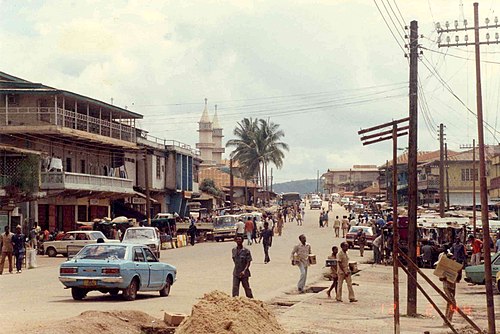
Koidu is a city located in the eastern part of Sierra Leone, serving as the capital of the Kono District. It is the largest city in the diamond-rich region known for its extensive mineral resources, particularly diamonds. Koidu's geographical coordinates place it approximately 300 kilometers from the capital city, Freetown. The population of Koidu has grown significantly over the years, driven by both the mining industry and the influx of migrants seeking employment opportunities. The city is characterized by a vibrant community where various ethnic groups coexist, including the Kono and Mende, contributing to its rich cultural diversity.
The economy of Koidu is heavily reliant on diamond mining, which has been the cornerstone of the local economy for decades. Several mining companies operate in the area, exploiting the rich alluvial and kimberlite deposits surrounding the city. However, the diamond trade has historically been marred by issues related to conflict and human rights abuses, especially during the civil war that ravaged Sierra Leone from the 1990s to the early 2000s. Despite these challenges, recent efforts have aimed to improve regulatory frameworks governing the diamond market, allowing for a more sustainable and ethical approach to resource extraction. Koidu also features various infrastructure developments including roads, schools, and healthcare facilities, although many challenges remain in providing adequate services to its residents.
Koidu is not just an economic hub; it also showcases a blend of contemporary urban development and traditional practices. The city hosts local markets where traders sell a variety of goods, including agricultural products and handicrafts, reflecting the traditional livelihoods of the people. Additionally, Koidu has been influenced by globalization, with various modern amenities now accessible to its residents. The city is gradually evolving, balancing its rich cultural heritage with the demands of modernity. Despite faced with several socio-economic challenges, including youth unemployment and infrastructure deficits, Koidu remains a pivotal location in Sierra Leone, symbolizing resilience and the potential for growth in a post-conflict environment.
Facts about Koidu
- Koidu is the capital city of the Kono District in Sierra Leone, known for its significant diamond mining industry.
- The city has a rich history tied to its diamond deposits, which have attracted both artisanal and industrial mining since the late 20th century.
- Koidu was the site of intense conflict during the Sierra Leone Civil War, becoming a focal point for violence over diamond control, particularly in the late 1990s.
- The Koidu Holdings Limited operates one of the largest diamond mines in Sierra Leone, emphasizing the city's economic reliance on mineral extraction.
- Koidu is notable for its multicultural population, including a variety of ethnic groups such as the Kono, Temne, and Mende people, each contributing to the city's cultural diversity.
- The city has been the subject of international interest and investment, particularly in efforts to develop sustainable and ethical diamond mining practices.
- Koidu features unique landmarks such as the Koidu City Stadium, which is a center for local sports and community events.
- The city is part of the Kono Region, which is often referred to as the 'diamond region' of Sierra Leone due to its vast mineral wealth.
- Koidu's economy is diversifying, with efforts in agricultural practices and small-scale manufacturing emerging alongside its diamond mining legacy.
- The city is a hub for educational institutions and humanitarian organizations aimed at improving the living conditions and educational resources for local residents.