Kolār, India
- 126,441 people
- 6 places to visit
- 13.1362, 78.1291
Places to Visit (6)
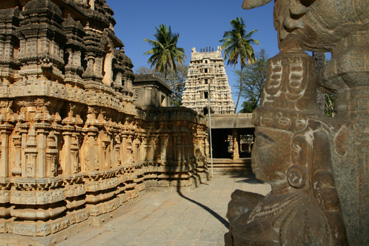
Kolār is a city located in the southern Indian state of Karnataka, approximately 70 kilometers northeast of Bengaluru, the state's capital. It serves as the administrative headquarters of the Kolār district and is part of the historical Kolar Gold Fields region. This area has significant historical importance, once being a bustling center for gold mining since the 19th century. The mines, which are now largely closed, played a crucial role in the economic development of both the city and the surrounding region, contributing to the wealth and culture of Kolār. The population of the city stands at around 100,000, and it is well-connected by road and rail, facilitating easy access to nearby cities.
Culturally, Kolār is notable for its rich heritage and archaeological significance. The city is home to various temples, the most famous being the Kolaramma Temple, dedicated to the goddess Kolaramma, and the Someshwara Temple, showcasing intricate architecture and sculptures that reflect the Chola and Vijayanagara styles. The region is also known for its agriculture, primarily producing crops like millet, sunflower, and sugarcane. Local festivities, including the Karaga Festival, attract visitors and celebrate the community's traditions and customs. Additionally, Kolār's proximity to Bengaluru has made it a growing residential area, as people seek to escape the hustle and bustle of city life while still enjoying economic opportunities. Overall, Kolār is a city with a blend of historical significance, cultural richness, and modern growth potential, making it a unique part of Karnataka's landscape.
Facts about Kolār
- Kolār is known as the 'Golden City of India' due to its rich history of gold mining that dates back to ancient times.
- The Kolar Gold Fields (KGF), located near the city, were once one of the major gold mining regions in the world, making significant contributions to India's gold production.
- Kolār is home to the famous Kotilingeshwara temple, which boasts one of the largest Shiva lingas in the world, attracting pilgrims and tourists alike.
- The city is renowned for its unique method of agriculture, particularly the cultivation of the 'Kolār Ragi' (finger millet), which thrives in the region's soil and climate.
- Kolār has a historical significance as a stage for the freedom struggle, being associated with notable figures such as Mahatma Gandhi who visited the city during his campaigns.
- The city's landscape features the stunning Nandi Hills, a popular trekking destination, known for its breathtaking sunrise views and lush greenery.
- Kolār is celebrated for its traditional handloom weaving, particularly the production of vibrant silk and cotton saris that reflect the local cultural heritage.
- The city hosts the annual Kolar Festival, which showcases local culture, traditions, and cuisines, reinforcing community spirit and tourism.
- Kolār has a rich biodiversity with nearby forests that are home to a variety of flora and fauna, making it a potential spot for eco-tourism.
- The city has a growing reputation in the field of education, with numerous institutions offering quality education, contributing to the development of the region.