Kolding, Denmark
- 61,638 people
- 17 places to visit
- 55.496, 9.4731
Places to Visit (17)
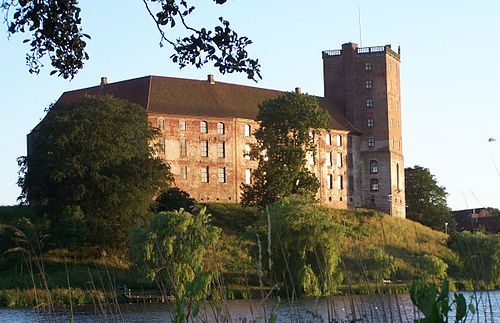
Kolding is a vibrant city located in the southern part of Denmark, within the Region of Southern Denmark. Situated on the eastern shore of the Little Belt strait, Kolding is known for its rich history, picturesque landscapes, and cultural significance. The city's origins date back to the medieval period, and it played an essential role as a trade and market town during the Middle Ages. Kolding is home to several historical structures, including the iconic Koldinghus Castle, which dates back to the 13th century and served as a royal residence and a military stronghold. Today, Koldinghus has been transformed into a museum that showcases the history of the castle and the region, attracting visitors interested in architecture, art, and local heritage.
The economy of Kolding is diverse, with a strong emphasis on education, commerce, and industry. The city hosts the University of Southern Denmark, which offers a variety of programs, fostering innovation and research in the area. Kolding is also known for its thriving design scene, particularly in textiles and furniture, reflecting Denmark's renowned status as a center for design excellence. The local economy benefits from its strategic location, providing easy access to other parts of Denmark and beyond, facilitated by the nearby E45 highway and the Kolding Fjord. The city's commitment to sustainability and green initiatives has made it an attractive place for both residents and businesses, contributing to its ongoing development. Kolding's charming waterfront, parks, and cultural events, such as the annual Kolding Cultural Festival, further enhance its appeal, making it a desirable destination for tourists and locals alike.
Facts about Kolding
- Kolding is home to the largest arts and design school in Denmark, Kolding School of Design, which is renowned for its innovative programs.
- The iconic Koldinghus, a royal castle dating back to the 13th century, is a significant historical landmark that has served multiple purposes over the centuries, including a fortress, royal residence, and now a museum.
- Kolding is known for its unique blend of urban life and nature, with the Kolding Fjord offering picturesque views and recreational activities alongside a vibrant city center.
- The city hosts an annual festival, 'Kolding Festival', which celebrates local culture, arts, and community, enhancing its lively atmosphere.
- Kolding's history as a center for the textile and design industries is reflected in its rich heritage, which includes numerous textile companies and design firms.
- In 2019, Kolding was recognized as a UNESCO City of Design, becoming the first city in Denmark to receive this designation for its commitment to sustainable design practices.
- Kolding's pedestrian-friendly city center features a unique combination of historical architecture and modern urban design, making it a distinctive place to explore.
- The town is located in the southern part of Denmark, making it a gateway to the scenic regions of Southern Jutland and a hub for travelers heading to the nearby Little Belt.
- Kolding has a strong maritime tradition, reflected in its historical shipbuilding industry and its relationship with Kolding Fjord, which has been pivotal for trade and transportation.
- With its strategic location, Kolding played a significant role during the Viking Age and the Middle Ages, serving as an important site for trade and military activities.