Koło, Poland
- 23,493 people
- 6 places to visit
- 52.1999, 18.6385
Places to Visit (6)
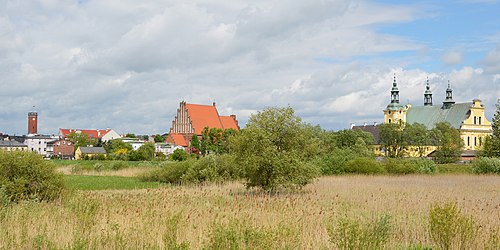
Koło is a town located in central Poland, within the Greater Poland Voivodeship. It sits along the banks of the Warta River and is situated approximately 120 kilometers east of Poznań. With a population of around 20,000 residents, Koło is known for its rich history, which dates back to the 12th century. The town played a significant role in regional trade and was granted city rights in 1364. Its strategic location made it an important center for commerce and craftsmanship, especially during the Middle Ages. Over the centuries, Koło has experienced various political shifts, including periods of rule under the Kingdom of Poland, the Grand Duchy of Lithuania, and partitions under Prussia and Russia.
Koło's historical architecture reflects its long-standing heritage, including several notable structures such as the Church of St. Nicholas, which combines elements of Gothic and Baroque styles. The town is also home to the remnants of a medieval castle and several historic townhouses that showcase its artisanal past. One distinctive feature of Koło is its traditional pottery, which has been a significant craft in the area. The town hosts annual events and festivals that celebrate its cultural traditions, drawing visitors interested in history, art, and local craftsmanship. In addition to its historical significance, Koło is surrounded by natural beauty, with forests and rivers that offer opportunities for outdoor activities. The town has also developed industrially, particularly in the automotive and manufacturing sectors, contributing to its economic growth and modernization while preserving its historical character.
Facts about Koło
- Koło is known for its medieval architecture, particularly the Gothic Church of St. Nicholas, which dates back to the 14th century.
- The town is situated on the Warta River, which has historically allowed it to thrive as a center for trade and commerce.
- Koło was granted city rights in 1364, making it one of the oldest towns in Poland with official city status.
- The town has a rich Jewish heritage, with historical sites marking the presence of a vibrant Jewish community before World War II.
- Koło is famous for its unique 'Koło herring' dish, which is a traditional specialty of the region, highlighting local culinary traditions.
- Each year, Koło hosts the 'Koło Festival,' a cultural event celebrating local traditions, crafts, and music, attracting visitors from nearby areas.
- The town is home to several historical monuments, including the ruins of a medieval castle, which provide a glimpse into its past.
- Koło is located near the scenic landscapes of the Kalisz Uplands, making it a gateway for outdoor activities such as hiking and cycling.
- The town features a unique pedestrian bridge over the Warta River, which connects various parts of the community and promotes local tourism.
- Koło has a vibrant community of artisans, known for creating traditional Polish crafts, such as pottery and textiles, contributing to the town's charm.