Kołobrzeg, Poland
- 44,377 people
- 13 places to visit
- 54.1759, 15.5833
Places to Visit (13)
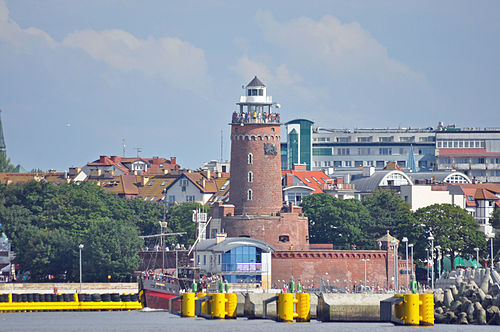
Kołobrzeg, situated on the northern coast of Poland along the Baltic Sea, is a prominent seaside resort town in West Pomerania. The town is known for its historic architecture, scenic beaches, and rich cultural heritage, making it a popular destination for both domestic and international tourists. With a population of approximately 38,000, it boasts a unique blend of historical charm and modern amenities. Kołobrzeg has been a significant settlement since the early Middle Ages, with its name derived from the Slavic word for “a swampy place.” The town's strategic location along vital trade routes contributed to its development and importance over the centuries, especially during the Hanseatic League period in the 13th century.
One of Kołobrzeg's defining features is its extensive spa facilities, which attract visitors seeking wellness and relaxation. The city is renowned for its therapeutic mud baths, brine treatments, and various wellness therapies, leveraging the natural resources of the region. Besides its health resorts, Kołobrzeg also features several historical landmarks, including the iconic lighthouse built in 1946, which stands at 26 meters and is one of the tallest in Poland. The Archcathedral of the Assumption of the Blessed Virgin Mary, originally constructed in the 14th century, showcases remarkable Gothic architecture and serves as a center for cultural events and religious activities. Additionally, the city is home to the well-preserved remnants of medieval fortifications, providing a glimpse into its historical significance and development.
Kołobrzeg is more than just a summer resort; it offers year-round attractions, including cultural festivals, art galleries, and vibrant nightlife. The city's location, nestled between the sea and picturesque lakes, provides opportunities for outdoor activities such as hiking, cycling, and water sports. The annual Kołobrzeg Fish Festival celebrates local cuisine, while the Pirate Festival taps into the city's maritime history, drawing crowds with themed entertainment and events. With its appealing combination of history, health tourism, and leisure activities, Kołobrzeg stands as a testament to Poland's rich cultural tapestry and serves as a cherished destination for those looking to explore the beauty of the Baltic coast.
Facts about Kołobrzeg
- Kołobrzeg is renowned for its therapeutic brine and health resorts, making it a popular destination for wellness tourism in Poland.
- The city has a unique lighthouse, built in 1666, which is one of the tallest brick lighthouses on the Polish coast, standing at 26 meters high.
- Kołobrzeg's historic port has been an important trading hub since the Middle Ages, contributing to its prosperous development over the centuries.
- The city was a significant site during World War II, and the ruins of the German U-boat bunker, 'Bunker Klotz', can still be visited today.
- Kołobrzeg's main square, which includes the impressive Gothic-style Cathedral of the Assumption of the Blessed Virgin Mary, dates back to the 14th century.
- The annual Kołobrzeg Pier Festival showcases maritime culture, featuring local seafood, traditional crafts, and music performances.
- With a boardwalk stretching over 1.5 kilometers along the coastal promenade, Kołobrzeg offers one of the most scenic seaside walks in Poland.
- The city has a unique tradition of producing local handicrafts, particularly amber jewelry, due to its proximity to the Baltic Sea.
- Kołobrzeg is home to the Museum of Polish Arms, which houses an extensive collection of military artifacts and history from various periods.
- The city is often referred to as the 'Pearl of the Baltic' for its picturesque beaches, rich history, and vibrant cultural life.