Komárno, Slovakia
- 32,643 people
- 10 places to visit
- 47.7626, 18.1294
Places to Visit (10)
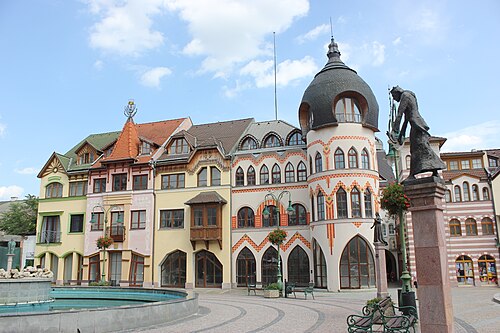
Komárno is a historic town located in southern Slovakia, near the confluence of the Danube and Váh rivers. It is part of the Nitra Region and is known for its rich cultural heritage and strategic geographical position. The town has a population of approximately 35,000 residents and serves as an important economic and transportation hub. Its history dates back to Roman times when it was known as "Civitas Lugnensium," marking its significance as a fortified settlement. Throughout the centuries, Komárno has experienced various cultural influences due to its proximity to Hungary, with which it shares a border, and the diverse ethnic backgrounds of its inhabitants.
One of the most notable features of Komárno is its well-preserved fortifications, which were built between the 18th and 19th centuries. The Komárno Fortress, a large star-shaped fortress, has become a key attraction for visitors and history enthusiasts. The town is also known for its beautiful architecture, with significant buildings such as the Hungarian Renaissance-style town hall, the Evangelical Church, and St. Andrew's Bastion. In addition to its historical sites, Komárno boasts a vibrant cultural scene. The town hosts various festivals, including traditional Slovak and Hungarian celebrations, highlighting its multicultural identity. The presence of both Slovak and Hungarian communities adds to the town's unique character, making it a focal point for cross-cultural exchange in the region.
Komárno's economy is diverse, with local industries including manufacturing, logistics, and trade. The town benefits from its location as a river port, facilitating commercial activities and tourism. Moreover, Komárno is served by a network of roads and railways that enhance its connectivity to other parts of Slovakia and neighboring Hungary. As a result, the town has been able to attract investments and develop various commercial opportunities. The combination of historical significance, cultural diversity, and economic potential makes Komárno a notable destination in Slovakia, drawing visitors interested in exploring its rich heritage and vibrant community life.
Facts about Komárno
- Komárno is located at the confluence of the Danube and Váh rivers, making it a strategic point for trade and transportation.
- The city is known for its well-preserved fortifications, including the impressive Komárno Fortress, which dates back to the 16th century.
- Komárno has a significant Hungarian minority population, which contributes to its unique cultural blend and vibrant festivals.
- The city is home to the largest Hungarian cultural institution outside Hungary, the Hungarian House (Magyar Ház), which hosts various cultural events.
- Komárno was once part of the Kingdom of Hungary and has a rich history that includes significant military importance during the Austro-Hungarian Empire.
- The city's architecture is notable for its blend of Baroque, Renaissance, and Art Nouveau styles, reflecting its diverse historical influences.
- Every year, Komárno hosts the Danube Carnival, which celebrates the city’s cultural heritage with music, dance, and traditional crafts.
- Komárno's floating dam, known as the 'Komárom-Esztergom Waterworks,' is a unique engineering feat that adds to the city's significance on the Danube River.
- The city is also known for the historic 'Komárno Bridge,' linking Slovakia with Hungary, which adds to its importance as a border town.
- Komárno has been recognized for its efforts in protecting and promoting its cultural heritage, making it a UNESCO World Heritage candidate site.