Komoro, Japan
- 46,272 people
- 11 places to visit
- 36.3271, 138.4258
Places to Visit (11)
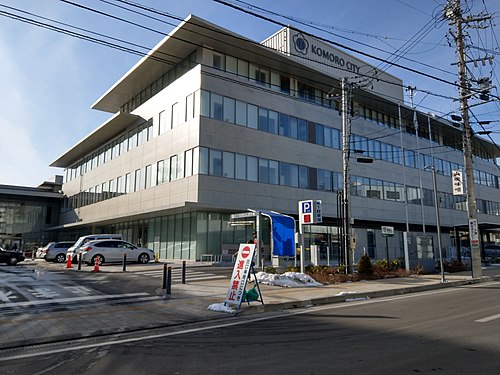
Komoro is a city located in Nagano Prefecture, Japan, known for its rich history, natural beauty, and cultural heritage. Situated in the central part of Honshu, the largest island of Japan, Komoro is nestled in the Koumi Valley surrounded by the picturesque backdrop of the Japanese Alps. With a population of approximately 30,000 residents, it combines a small-town atmosphere with easy access to urban amenities. The city, which gained its official status as a city in 2004, has a history that dates back to the Edo period, when it served as a key post town on the Nakasendo, a vital trade route connecting Kyoto and Edo (modern-day Tokyo). This historical significance is reflected in its well-preserved architecture and cultural landmarks.
One of the main attractions of Komoro is the Komoro Castle, also known as Kasumiga-jo, which was built in the early 17th century. The castle ruins and the surrounding park area are popular destinations, particularly during the cherry blossom season when visitors flock to witness the beautiful sakura trees in full bloom. Komoro is also famous for its traditional crafts, including silk production and washi paper-making, contributing to its reputation as a center for artisanal goods. The city's proximity to nature allows for plenty of outdoor activities such as hiking, biking, and skiing in the winter months, making it an appealing destination for both locals and tourists.
The area is further characterized by its agricultural richness, with local farmers producing high-quality fruits, especially apples, and vegetables that are well-regarded throughout Japan. Festivals celebrate this agricultural heritage, showcasing local food, music, and traditional performances. Additionally, Komoro is home to modern conveniences, including shopping areas, educational institutions, and medical facilities, making it a comfortable place to live. The city is working towards sustainability, encouraging eco-friendly practices and maintaining its connection with nature. With its blend of historical significance, cultural richness, and natural beauty, Komoro stands out as a unique locale that embodies the spirit of rural Japan while embracing modernity.
Facts about Komoro
- Komoro is known for its historic significance, having been a castle town during the Edo period, with the remains of Komoro Castle, which offers panoramic views of the surrounding area.
- The city is famous for its beautiful cherry blossoms, particularly in the spring when Komoro Park becomes a popular destination for hanami (flower viewing).
- Komoro is a key location in the production of Shinshu soba (buckwheat noodles), leveraging the region's ideal climate and soil for buckwheat cultivation.
- The Komoro Maple Festival is an annual event held in the fall, celebrating the vibrant colors of maple leaves and attracting visitors to the area.
- Komoro is home to the unique tradition of 'Komoro Onsen,' featuring various hot spring baths with therapeutic minerals, a notable attraction for relaxation and wellness.
- The city has a rich cultural heritage, including the Komoro Art Museum, which showcases local artists and promotes the appreciation of art in the region.
- In terms of agriculture, Komoro is known for its high-quality fruits, particularly apples, grapes, and strawberries, benefiting from the area's favorable farming conditions.
- Komoro hosts the 'Komoro Festival' annually, featuring parades, local food stalls, and traditional performances, highlighting the city's vibrant community spirit.
- With its elevation and surrounding mountains, Komoro serves as a gateway for outdoor activities, such as hiking and skiing in nearby ski resorts, making it a hub for nature enthusiasts.
- The city was once home to the famous poet and novelist Yoshiro Yoshimura, adding literary significance to Komoro's cultural landscape.