Komotiní, Greece
- 45,631 people
- 9 places to visit
- 41.1224, 25.4066
Places to Visit (9)
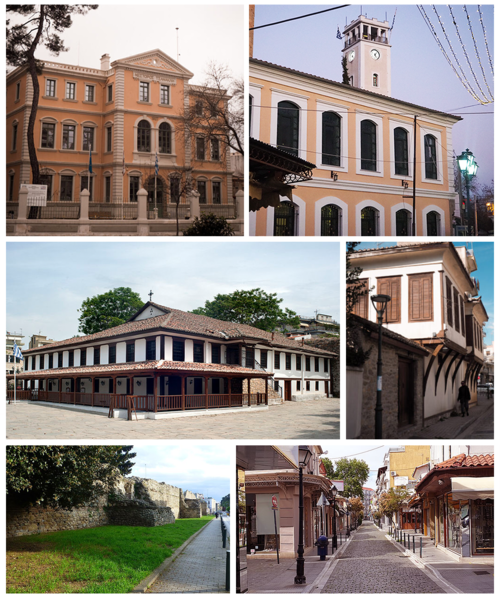
Komotiní is a city located in northeastern Greece, serving as the capital of the Rhodope regional unit. With roots dating back to antiquity, the city is situated at the foot of the Rhodope Mountains and near the Maritsa River, which adds to its geographical significance. Historically known as "Kêmothini," the area has been inhabited since ancient times. Komotiní developed through various cultural influences, particularly from the Byzantine Empire, and the Ottoman period, which has left a lasting impact on its architecture and urban landscape.
As of the latest data, Komotiní has a population of approximately 60,000 residents, representing a diverse mix of ethnic groups, including Greeks, Turks, and Pomaks, adding to the city's rich cultural tapestry. The economy of Komotiní is characterized by agriculture, trade, and small-scale industries, although it also benefits from its position as a regional administrative center. The city is known for its vibrant marketplace and traditional crafts, particularly its weaving and textiles. Educational institutions, including several schools and a branch of the Democritus University of Thrace, contribute to the city's emphasis on education and research.
Komotiní is also known for its historical and architectural sites, such as the impressive Evangelistria Church and the old city’s Byzantine walls, which reflect its storied past. The city hosts various cultural events throughout the year, celebrating its traditions and fostering community spirit. Moreover, the surrounding natural landscape offers opportunities for outdoor activities, including hiking and exploring the rich biodiversity of the nearby Rhodope Mountains. This blend of history, culture, and natural beauty makes Komotiní a unique destination in Greece, appealing to both visitors and scholars interested in the region's diverse heritage.
Facts about Komotiní
- Komotiní is known for its vibrant multicultural atmosphere, significantly influenced by its population of Muslims, Christians, and a variety of ethnic groups, including the Greek, Turkish, and Romani people.
- The city is home to the University of Thrace, which offers a range of programs and attracts students from various countries, contributing to the city's youthful and dynamic environment.
- Komotiní features an impressive collection of Byzantine architecture, with structures such as the 19th-century Church of Saint Nicholas and several preserved mosques, reflecting the city's diverse history.
- The city's annual Carnival, celebrated with colorful parades and traditional dances, is one of the most significant cultural events in the region, drawing visitors from all over Greece.
- Komotiní is recognized for its rich tradition of folklore, including music and dance performances, highlighting the cultural diversity and historical influences in the area.
- The city's unique location at the crossroads of Europe and Asia has historically made it an important trade and cultural exchange center.
- Komotiní has a significant Jewish heritage, with a historical Jewish community that dates back to the Ottoman Empire, although the community has diminished over the years.
- The local cuisine is a reflection of the city's multicultural identity, featuring dishes that combine flavors from Greek, Turkish, and Balkan culinary traditions.
- Komotiní is known for its production of various local products, including traditional textiles and handcrafts, which are popular among both locals and tourists.
- The city's archaeological museum houses artifacts from the ancient Thracian civilization, providing insights into the historical significance of the area throughout the ages.