Konstanz, Germany
- 81,275 people
- 11 places to visit
- 47.678, 9.1737
Places to Visit (11)
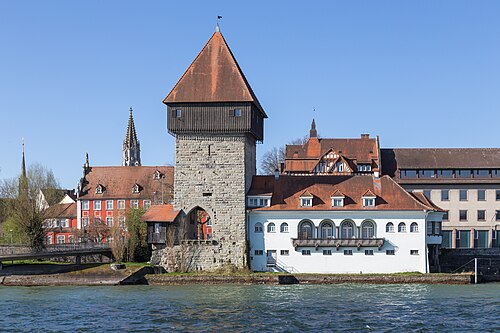
Konstanz is a charming city located in southwestern Germany, situated on the shores of Lake Constance, known as Bodensee in German. With a population of approximately 85,000 residents, it is not only the largest city in the region of Baden-Württemberg but also a vibrant cultural and economic hub. Konstanz has a rich history that dates back to Roman times when it was known as Constantia. The city retains its historical charm, evident in its well-preserved medieval architecture, most notably the Konstanz Cathedral, or Münster, which showcases a blend of Romanesque and Gothic styles. The cathedral’s towers stand prominently over the skyline, serving as a reminder of the city’s importance in the past, particularly during the Council of Constance in the early 15th century, which played a significant role in the Catholic Church’s history.
Konstanz is renowned for its picturesque waterfront along Lake Constance, which attracts locals and tourists alike. The lake serves as a backdrop for leisure activities such as sailing, swimming, and cycling along the scenic paths. Its proximity to the borders of Switzerland and Austria enhances the city’s appeal, making it a point of interest for international visitors. In addition to its natural beauty, Konstanz is home to a vibrant cultural scene, supported by numerous festivals, galleries, and theaters. The city is also noted for its academic institutions, including the University of Konstanz, which contributes to its youthful atmosphere. With an efficient public transportation system, including ferries that connect various towns around the lake, Konstanz is well-positioned as a gateway to explore the broader region of Lake Constance, making it a compelling destination for those interested in history, culture, and outdoor activities.
Facts about Konstanz
- Konstanz is located on the shores of Lake Constance, making it a popular destination for water sports and leisure activities.
- The city is home to the famous Konzilgebäude, the historic council building where the Council of Constance was held from 1414 to 1418, an important event in church history.
- Konstanz is the only German city on the border with Switzerland, and as such, it has a unique blend of German and Swiss culture.
- The city's old town features well-preserved medieval architecture, including the Mainau Island Palace and the medieval trade routes that shaped its development.
- Konstanz hosts the annual 'Festival of Lights' (Licht Festival), which showcases stunning light installations and attracts visitors from all over Europe.
- The city is known for its vibrant academic community, being home to the University of Konstanz, which is one of the leading universities in Germany.
- Konstanz has a long history of wine production, especially in the surrounding regions, with vineyards that have been cultivated since Roman times.
- The Imperia statue, situated at the harbor, is an iconic symbol of the city, depicting a figure holding two important historical figures from the Council of Constance.
- Konstanz's local dialect, known as 'Konstanzerisch,' has unique expressions and vocabulary that are distinct from standard German.
- The city was a significant hub for trade and commerce during the Middle Ages, thanks to its strategic location on trade routes between Germany and Switzerland.