Kórinthos, Greece
- 30,176 people
- 10 places to visit
- 37.9386, 22.9322
Places to Visit (10)
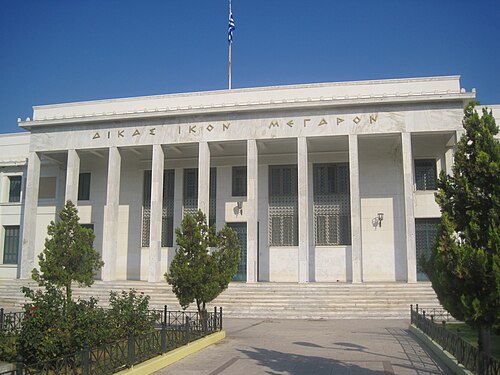
Kórinthos, known in English as Corinth, is a historic city located in the northeastern part of the Peloponnese peninsula in Greece. It is situated at the narrow isthmus that connects the Peloponnese to the mainland, making it a strategically significant location throughout history. The city has been inhabited since prehistoric times and was a prominent center in ancient Greece, particularly during the 7th and 8th centuries BC. Corinth was renowned for its wealth, cultural achievements, and as a major commercial hub, thanks largely to its two ports: Lechaeum on the Gulf of Corinth and Cenchreae on the Saronic Gulf. The city played a crucial role in the development of trade and colonization in the Mediterranean, establishing colonies such as Syracuse in Sicily and Corcyra (modern Corfu).
Corinth is also notable for its architectural and cultural contributions, particularly during the classical period. The city was home to the Temple of Apollo, which remains a significant archaeological site. The ancient Acrocorinth, a fortress situated on a high hill above the city, provided defense and served as the site of various temples, including the temple of Aphrodite. In addition to its religious significance, Corinth became a cultural hub, hosting the Isthmian Games, which were similar to the Olympic Games and included athletic and artistic competitions. The city has played an essential role in various historical narratives, including those in both Greek and Roman histories, and was mentioned in several works of literature, including the New Testament, in the letters of Saint Paul.
Today, Kórinthos is a vibrant modern city that combines its rich historical heritage with contemporary life. The archaeological site of ancient Corinth, managed by the Greek Ministry of Culture, attracts numerous visitors. The city features a blend of ancient ruins, Byzantine churches, and modern amenities, representing its continuous evolution over the centuries. The presence of the Corinth Canal, completed in the late 19th century, further enhances its significance as a transportation hub. The canal connects the Aegean and Ionian Seas, saving ships the lengthy journey around the Peloponnese. Kórinthos today embodies a unique fusion of past and present, offering insights into Greece's historical landscape while serving as an active center of commerce and tourism.
Facts about Kórinthos
- Kórinthos was one of the richest and most powerful city-states in ancient Greece, known for its strategic location and commercial prowess due to its two harbors, Lechaeum and Cenchreae.
- The city is famous for the Isthmus of Corinth, which connects mainland Greece to the Peloponnese and served as a crucial trade route in ancient times.
- Kórinthos is home to the Temple of Apollo, a remarkable 6th-century BC structure that was once the leading sanctuary dedicated to the god Apollo in the region.
- In ancient mythology, Kórinthos was the birthplace of the hero Bellerophon, who tamed the winged horse Pegasus and defeated the Chimera.
- The ancient city held the prestigious Isthmian Games, second only to the Olympic Games, which were celebrated every two years in honor of Poseidon.
- Kórinthos features the Acrocorinth, a large fortress that rises above the city, which has been used since ancient times and offers stunning views of the surrounding landscape.
- The Corinth Canal, completed in the late 19th century, is a man-made waterway that dramatically shortened maritime travel between the Aegean and Ionian Seas and remains an engineering marvel.
- The city played a significant role during the Peloponnesian War and was a major ally of Sparta against Athens, reflecting its strategic military importance.
- Kórinthos was a major producer of pottery in ancient times, and its unique pottery styles differ from those found in other regions, often characterized by red and black figures.
- Today, Kórinthos is known for its vibrant cultural scene and is a popular tourist destination, distinguished by a blend of ancient history and modern Greek life.