Kōriyama, Japan
- 322,996 people
- 12 places to visit
- 37.4005, 140.3597
Places to Visit (12)
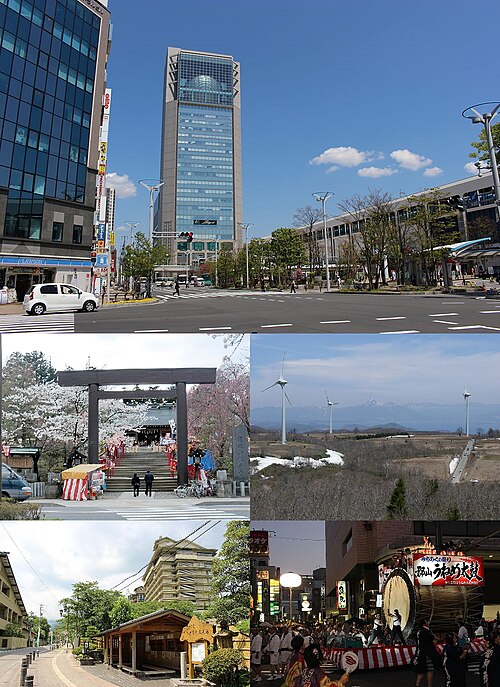
Kōriyama is a city located in the Fukushima Prefecture of Japan, known for its rich cultural heritage and scenic landscapes. The city, which lies in the northeastern part of Honshu, the main island of Japan, serves as an important economic and cultural hub in the region. Established as a city in 1947, Kōriyama has a population of approximately 330,000 residents as of recent estimates. The area is characterized by its picturesque surroundings, including the nearby Abukuma Mountains and the fertile plains that contribute to its local agriculture. This combination of natural beauty and urban development makes Kōriyama an attractive destination for both residents and visitors.
Kōriyama's economy is diverse, with sectors such as manufacturing, retail, and agriculture playing significant roles. The city has notably been home to various industries, including electronics and food production, which capitalize on the region's agricultural productivity. Culture thrives in Kōriyama as well, with numerous festivals, art events, and historical sites. For instance, the Kōriyama Culture Park is a notable venue that hosts performances, exhibitions, and concerts, promoting local arts and culture. The city also features several significant shrines and temples, reflecting the traditional Japanese spiritual landscape. Educational institutions, including several universities and specialized training centers, contribute to the city’s vibrant community, attracting students from across the region.
Kōriyama has faced challenges, particularly following the 2011 Tōhoku earthquake and tsunami, which had widespread repercussions throughout Fukushima Prefecture. However, the city has shown resilience and has been active in rebuilding efforts while promoting tourism. As part of these efforts, Kōriyama is keen to showcase its local attractions, such as the beautiful Goshikinuma Pond and the ancient base of Mount Azuma. With continued investment in infrastructure and community programs, Kōriyama aims to maintain its role as a vital urban center while preserving its unique cultural identity. The combination of natural beauty, cultural richness, and economic vitality positions Kōriyama as a noteworthy city in Japan.
Facts about Kōriyama
- Kōriyama was established as a city in 1954 and is located in Fukushima Prefecture, making it part of the Tōhoku region.
- The city is known for its production of high-quality agricultural products, specifically beef and mushrooms, due to its fertile land and favorable climate.
- Kōriyama boasts the Bandai-Azuma Skyline, a scenic drive that offers stunning views of Mount Bandai and the surrounding landscape, making it a popular tourist attraction.
- The Kōriyama Museum of Art features a diverse collection that includes works by contemporary Japanese artists and is a cultural hub for the region.
- Kōriyama is known for the Kōriyama Fireworks Festival, one of the largest fireworks displays in the Tōhoku region, attracting thousands of spectators every summer.
- The city has a rich historical background, with archaeological sites indicating that it was inhabited from the Jomon period, showcasing its deep cultural roots.
- Kōriyama is home to several prominent universities, including Fukushima Medical University and Kōriyama University, contributing to its status as an educational center in the region.
- The Yonekawa area in Kōriyama includes the historic ruins of Kōriyama Castle, which was built in the early Edo period and is a designated historic site.
- Kōriyama has a unique cultural event called the Kōriyama Matsuri (Festival), which features traditional floats and street dancing, held annually in August.
- The city's location near major transportation hubs, including the Tōhoku Shinkansen, makes it an important gateway for visitors traveling between the northern and southern parts of Japan.