Korla, China
- 549,324 people
- 1 places to visit
- 41.7264, 86.1737
Places to Visit (1)
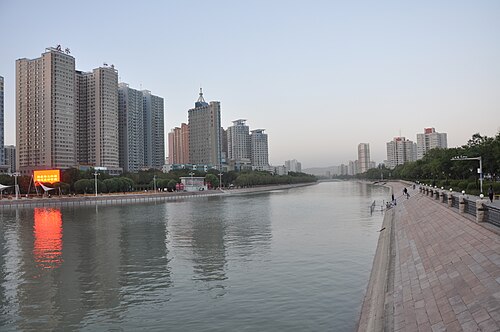
Korla is a city located in the Xinjiang Uyghur Autonomous Region of the People’s Republic of China. As the administrative center of the Bayin'gholin Mongol Autonomous Prefecture, Korla plays a vital role in the region’s economy and culture. Situated at the edge of the Taklamakan Desert, Korla enjoys a strategic position at the confluence of several important transport routes, which has facilitated its growth and development. The city lies at an elevation of approximately 1,050 meters (3,450 feet) and experiences a continental arid climate, characterized by hot summers and cold winters. The local population predominantly consists of Han Chinese, along with Uyghur, Mongol, and other ethnic groups, contributing to a rich cultural tapestry unique to the area.
Korla is often referred to as the “mother city” of the Tarim Basin and serves as a crucial hub for trade and agriculture in the region. The city is noted for its agricultural output, particularly in the cultivation of various fruits, including melons and apricots, which thrive in the region's unique climatic conditions. Additionally, the city has seen a surge in industrial development, and facilities such as oil refineries and cotton processing plants contribute significantly to its economic landscape. Korla's transport infrastructure includes a railway station and an airport, facilitating connectivity within Xinjiang and beyond. The city is also home to several parks and historical sites, including the ancient city ruins of Loulan, attracting tourists and researchers interested in the Silk Road and regional history. Overall, Korla embodies a blend of modern development and cultural heritage, marking its importance in both Xinjiang and the broader context of China.
Facts about Korla
- Korla is located in the Xinjiang Uyghur Autonomous Region of China, at the northern edge of the Taklamakan Desert, making it a critical hub for trade and transportation between Central Asia and China.
- The city is renowned for its production of the Korla fragrant pear, a unique variety of pear known for its sweet flavor and aromatic qualities, which has won several agricultural awards.
- Korla was formerly known as 'Gaochang', an ancient city with a rich history influenced by the Silk Road and various cultures over centuries.
- The city has undergone significant urban development since the 1950s, transforming from a small oasis town into a significant industrial and commercial center in Xinjiang.
- Korla's Bahemalake Scenic Area is a notable natural attraction, featuring beautiful landscapes around lakes and mountains, and is a popular destination for both tourists and locals.
- The city hosts the annual Korla Fragrant Pear Cultural Festival, celebrating its famous fruit with various events such as exhibitions, tastings, and cultural performances.
- Korla has a unique water distribution system derived from ancient techniques, utilizing underground channels to manage its irrigation and support agriculture in the arid climate.
- Historically, Korla served as an important military and administrative center during the Tang Dynasty, showcasing its strategic significance throughout Chinese history.
- The city is home to several cultural and historical sites, including the ancient ruins of the Gaochang Kingdom, which attract historians and archaeologists interested in ancient Silk Road civilizations.
- Korla's diverse population includes various ethnic groups such as Han, Uyghur, and Hui, contributing to a rich cultural tapestry and a variety of culinary traditions.