Kornwestheim, Germany
- 31,040 people
- 13 places to visit
- 48.8651, 9.1858
Places to Visit (13)
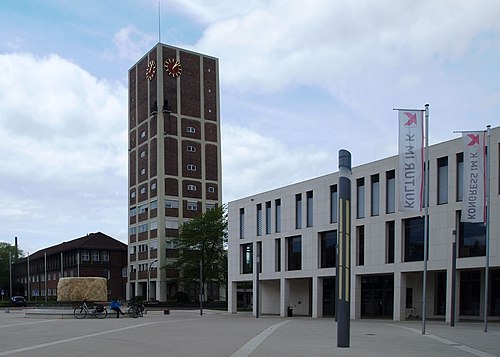
Kornwestheim is a town in the federal state of Baden-Württemberg, Germany, located approximately 10 kilometers northwest of Stuttgart. It lies within the district of Ludwigsburg and is part of the Stuttgart Metropolitan Region. Kornwestheim, which has a population of around 30,000 residents, is characterized by its combination of urban living and green spaces, making it an appealing destination for families and commuters alike. The town is well-connected to Stuttgart and other nearby cities through a robust public transportation network, including trains and buses, facilitating easy access to employment opportunities and cultural attractions in the region.
The town's history dates back to at least the 14th century, with its first documented mention occurring in 1330. Kornwestheim developed primarily as an agricultural community until the industrial revolution spurred growth in the 19th century, when it became an important center for manufacturing and trade. The presence of small and medium-sized enterprises has since contributed to its economic stability, particularly in sectors like automotive, engineering, and logistics. Kornwestheim is also home to several historical landmarks, including the Martinskirche, a Protestant church dating back to the late Gothic period, and various historic buildings that reflect the architectural evolution of the area over the centuries.
Kornwestheim prides itself on its commitment to sustainability and quality of life, offering numerous public parks, recreational facilities, and community programs. The annual Kornwestheim fair, which celebrates local culture and traditions, draws visitors from neighboring areas, showcasing regional crafts, food, and entertainment. The town also places an emphasis on education, with a range of schools and vocational training institutions available, preparing residents for a diverse job market. Overall, Kornwestheim represents a harmonious blend of historical charm and modern convenience, making it a desirable place to live and work in southwestern Germany.
Facts about Kornwestheim
- Kornwestheim is known for its unique location as a suburb of Stuttgart, which influences its cultural and economic dynamics.
- The city has historical significance dating back to 1230 when it was first mentioned in the records.
- Kornwestheim is home to the only remaining traditional horse-drawn tram in the Stuttgart region, showcasing its unique transport history.
- The city features the Kornwestheim Town Hall, which is an architectural highlight designed by renowned architect Paul Schneider-Esleben.
- Kornwestheim is home to the 'Sägemühle', a historic mill that has been preserved and is a symbol of the town's industrial heritage.
- The city hosts the annual Kornwestheim summer festival, which celebrates local arts, crafts, and gastronomy, drawing visitors from the region.
- Kornwestheim has a strong sense of community, exemplified by its numerous local clubs and organizations focused on various cultural and sporting activities.
- The city has invested significantly in green spaces and parks, ensuring a high quality of life and distinguishing it from more industrialized neighboring areas.
- Kornwestheim is located along the Deutsche Bahn's high-speed rail line, facilitating quick connections to major cities like Stuttgart and Munich.
- The Weinbaugebiet Kornwestheim is known for its local vineyards, producing unique regional wines that contribute to the area's cultural identity.