Kościerzyna, Poland
- 23,361 people
- 10 places to visit
- 54.1222, 17.9813
Places to Visit (10)
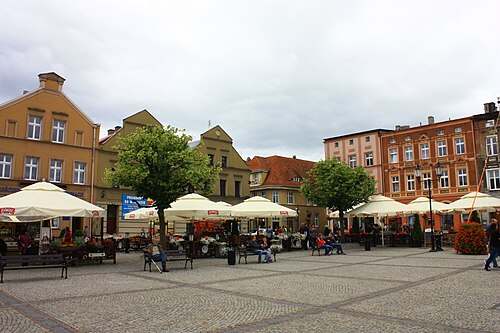
Kościerzyna is a charming town located in northern Poland, situated in the Pomeranian Voivodeship. It lies approximately 55 kilometers southwest of Gdańsk, the regional capital, and is surrounded by picturesque lakes and forests that are characteristic of the Kashubian region. The town has a rich history, having been established in the early Middle Ages. With a population of around 13,000 residents, Kościerzyna serves as a cultural and economic hub for the surrounding area, facilitating commerce and providing essential services.
The architectural landscape of Kościerzyna reflects its historical significance, featuring a blend of Gothic, Renaissance, and modern styles. Notable landmarks include the Church of St. John's the Baptist, which was built in the late 19th century and showcases striking neo-Gothic features. The town is also known for its vibrant market square, where local vendors offer handmade crafts and traditional Kashubian goods. Kościerzyna’s cultural heritage is celebrated through various festivals and events, particularly its folk traditions, music, and cuisine, which showcase the Kashubian identity. The Muzeum Ziemi Kościerskiej, a local museum, houses exhibits that highlight the region's history, including artifacts from the Kashubian people.
Kościerzyna is well-connected by rail and road, making it accessible for tourists exploring this beautiful corner of Poland. Its proximity to the scenic landscape of the Kashubian Lake District offers numerous outdoor recreational opportunities such as hiking, cycling, and water sports. The town's serene environment, coupled with its cultural richness, makes Kościerzyna an attractive destination for visitors looking to experience both nature and history in one of Poland's lesser-known yet captivating locales.
Facts about Kościerzyna
- Kościerzyna is located in the Pomeranian Voivodeship and is known as the gateway to the Kashubian region.
- The city has a unique blend of Polish and Kashubian cultures, distinguishing it from other towns in Poland.
- Kościerzyna is home to the historic railway station, which was established in the 19th century and is a prominent example of railway architecture in the region.
- The city hosts the annual Kościerzyna Folk Festival, which celebrates Kashubian folk music and culture, attracting visitors from various parts of Poland.
- Kościerzyna features the impressive St. John's Church, a neo-Gothic structure built in the early 20th century that serves as a landmark in the city.
- The city is surrounded by lush forests and lakes, making it a notable destination for eco-tourism and outdoor activities, including hiking and kayaking.
- During World War II, Kościerzyna was part of the Polish-German border region, and the city has preserved many historical sites from this period.
- Kościerzyna is known for its rich tradition of woodcraft and carpentry, contributing to the local economy and cultural heritage.
- The Kościerzyna Folk Museum showcases the history and traditions of the Kashubian region, featuring exhibits on local crafts, costumes, and everyday life.
- The city has a strong sporting culture with various clubs and facilities, particularly noted for its football and handball teams that compete at regional levels.