Košice, Slovakia
- 228,249 people
- 18 places to visit
- 48.7164, 21.2611
Places to Visit (18)
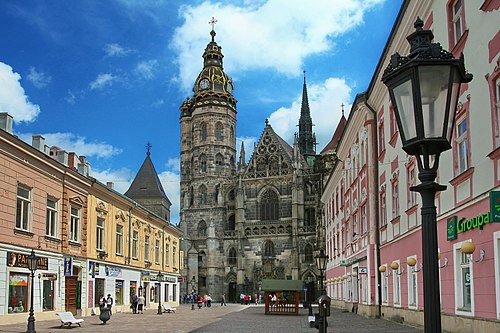
Košice, the second-largest city in Slovakia, is located in the eastern part of the country near the border with Hungary. With a population of approximately 240,000, Košice serves as an important cultural, economic, and educational center in the region. The city has a rich history dating back to the 13th century when it was granted a royal charter in 1241. Košice became a significant administrative and trade hub in medieval times, and its strategic location facilitated commerce between Northern and Southern Europe. Today, the city is known for its beautifully preserved historic architecture, including the magnificent St. Elisabeth Cathedral, which is the largest cathedral in Slovakia and one of the most significant Gothic structures in Central Europe. The city's skyline is also characterized by colorful facades, medieval buildings, and several museums and galleries that highlight its cultural heritage.
In recent years, Košice has gained recognition for its vibrant cultural scene and has been designated a UNESCO City of Literature. The city's commitment to arts and education is reflected in the presence of several universities, including the Technical University of Košice and the Pavol Jozef Šafárik University. Košice is also the site of numerous annual festivals and events, such as the Art Film Festival and the Košice Jazz Festival, which attract visitors from across the region. Economically, the city has diversified its industry, moving beyond traditional manufacturing to include sectors like information technology, engineering, and services. The economic strategy has fostered the growth of innovative startups and tech companies, contributing to the overall development of the area.
Transportation in Košice is well-developed, featuring a modern public transit system and an international airport that connects the city to various European destinations. The city's location near the Tatra Mountains and various natural reserves makes it an attractive starting point for outdoor activities such as hiking and skiing. With its blend of historical significance, cultural richness, and economic potential, Košice is an essential part of Slovakia's identity, showcasing a unique mix of tradition and modernity. As it continues to evolve, the city is positioned to play a crucial role in the region's future growth and development.
Facts about Košice
- Košice is the largest city in eastern Slovakia and the second largest city in the country, known for its rich cultural and historical heritage.
- The city is home to the iconic St. Elizabeth Cathedral, which is the largest cathedral in Slovakia and is notable for its unique blend of Gothic and Renaissance architecture.
- Košice was the first city in Europe to receive a privilege to hold a market, granted by Hungarian King Louis the Great in 1369.
- The city has a unique historical core, recognized as an Urban Conservation Area, which includes numerous preserved Gothic, Renaissance, and Baroque monuments.
- Košice has historically been a multi-ethnic city, with significant populations of Slovaks, Hungarians, and Germans, contributing to its diverse cultural landscape.
- In 2013, Košice was designated a European Capital of Culture, highlighting its vibrant art scene and promoting various cultural events throughout the year.
- The city's natural surroundings are enriched by the nearby Slovak Paradise National Park, which offers unique opportunities for hiking and outdoor activities.
- Košice is also known for its significant educational institutions, including the Technical University of Košice, which emphasizes engineering and technology.
- The city hosted the 2015 IIHF Ice Hockey World Championship, showcasing its importance in sports, particularly ice hockey.
- Košice has a rich history of industry and commerce, particularly in the 19th and early 20th centuries, becoming an important center for trade in the Austro-Hungarian Empire.