Kosti, Sudan
- 345,068 people
- 1 places to visit
- 13.1235, 32.6504
Places to Visit (1)
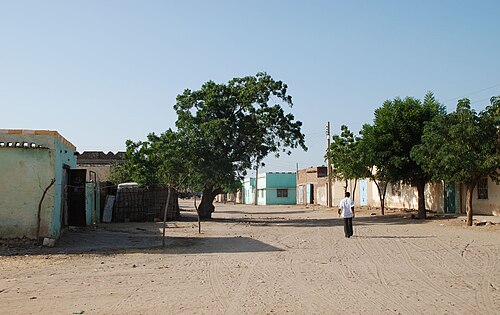
Kosti is a city located in the White Nile State of Sudan, situated on the banks of the White Nile River. It is one of the larger urban centers in the state and serves as an important hub for both trade and transportation. Kosti is approximately 600 kilometers south of the capital, Khartoum, making it accessible by road and river, which enhances its strategic significance in connecting the northern and southern regions of Sudan. The city has a population of around 150,000 people, with a mix of ethnic groups and cultures, reflecting the diversity found throughout Sudan.
Historically, Kosti has served as a vital port city, especially during the colonial period when it became an important point for the export of agricultural products and other goods. The city’s proximity to the Nile supports agriculture, making it an economic center for farming communities in the surrounding areas. Local markets provide a variety of goods, from vegetables and fruits to textiles and traditional handicrafts. Kosti is also home to several educational institutions, including schools and vocational training centers, contributing to the local workforce's development.
Despite its economic potential, Kosti faces challenges common to many urban areas in Sudan, including infrastructure deficits, intermittent access to water and electricity, and political instability. However, recent efforts by the Sudanese government and international organizations aim to improve living conditions and economic opportunities in the region. As Kosti continues to grow, it holds potential as a key player in Sudan's broader economic landscape, particularly in trade and agriculture along the Nile River. Its cultural and historical significance, combined with its strategic location, positions Kosti as an important city in the context of Sudan's future development.
Facts about Kosti
- Kosti is located at the confluence of the Blue Nile and White Nile rivers, making it a significant point for river transport and trade.
- The city serves as a key transportation hub in Sudan, connecting various regions through its railway and road networks.
- Kosti is known for its unique market system, with vibrant trading activities that attract merchants from different parts of Sudan.
- The city is home to the Kosti Port, which plays a crucial role in trade and logistics, facilitating the movement of goods along the Nile.
- Kosti has a rich history as a center for the Sudanese railway network, being one of the earliest established railway towns in the country.
- The city was significantly impacted by the Second Sudanese Civil War, which disrupted its social and economic development.
- Kosti is also notable for its diverse cultural heritage, with influences from various Sudanese ethnic groups contributing to its local traditions.
- The development of Kosti has seen a rise in educational institutions, including schools and vocational training centers aiming to boost local skills.
- Kosti is often associated with agricultural production, particularly for crops like cotton and sorghum that thrive in the surrounding agricultural areas.
- The city hosts annual events that celebrate local culture and traditions, fostering a sense of community and attracting visitors from neighboring regions.