Koutiala, Mali
- 218,031 people
- 3 places to visit
- 12.3774, -5.4725
Places to Visit (3)
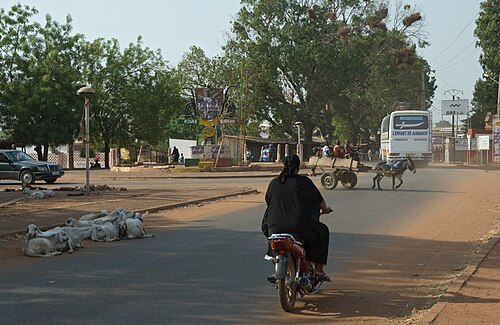
Koutiala is a prominent city located in the southern region of Mali, within the Sikasso Region. It serves as the administrative center of the Koutiala Cercle and is well-known for its agricultural significance, particularly in the production of cotton, which is a vital cash crop for the nation. The city lies approximately 240 kilometers from the capital, Bamako, and has gained recognition for its bustling markets and vibrant local culture. With a population of around 100,000 people, Koutiala is a melting pot of various ethnic groups, including the Bambara, Senoufo, and Malinke, contributing to a rich cultural tapestry that is reflected in the local traditions, music, and cuisine.
The economy of Koutiala is predominantly based on agriculture, with cotton farming playing a crucial role in the livelihoods of many residents. The region benefits from agro-climatic conditions favorable for crop production, leading to the establishment of numerous cotton-processing facilities. Additionally, other crops such as millet, sorghum, and maize are cultivated, supporting local food security. The city is also known for its artisanal crafts, including pottery and weaving, which are significant sources of income for local artisans. Despite its economic activities, Koutiala faces challenges common to many Malian cities, including inadequate infrastructure, limited access to education and healthcare, and the impacts of climate change on agricultural productivity.
Culturally, Koutiala hosts various festivals and events that celebrate the local heritage and foster community cohesion. Traditional music and dance are integral to the social fabric, with events often featuring live performances that showcase the talents of local artists. Additionally, the city is home to several educational institutions, seeking to enhance access to quality education for its youth. As part of Mali's broader history, Koutiala holds a strategic position within the region's socio-economic landscape, and its development is closely linked to national policies aimed at promoting agricultural sustainability and economic diversification. Overall, Koutiala exemplifies the resilience of its people in the face of various challenges while maintaining a strong connection to their agricultural roots and cultural identity.
Facts about Koutiala
- Koutiala is known as the 'Cotton City' of Mali due to its significant role in the cotton production industry, contributing to the country's economy.
- The city is home to the annual Koutiala Cotton Festival, which celebrates the local cotton harvest and promotes the importance of agriculture in the region.
- Koutiala features a vibrant artisan community, particularly renowned for its traditional tie-dye (bògòlanfini) fabric, which is made using ancient techniques.
- The Koutiala Region is historically significant for being the site of various trade routes that connected the Sahel to the southern regions of Mali.
- The town is distinguished by its unique architectural style, characterized by mud-brick buildings that reflect traditional West African design.
- Koutiala is home to the Koutiala Mosque, which is a prominent landmark and an example of Islamic architectural influence in the region.
- The city has a rich history of the Bambara Empire, which flourished in the 17th and 18th centuries, with many historical sites linked to this period.
- Koutiala serves as a major commercial hub for surrounding rural communities, facilitating trade in agricultural products and local crafts.
- The city is known for its diverse cultural events, including music and dance festivals that showcase the traditional heritage of the Mandinka and Bambara peoples.
- Koutiala plays a critical role in Mali's education system, hosting several educational institutions that contribute to the literacy and vocational training of the local population.