Kozáni, Greece
- 36,481 people
- 6 places to visit
- 40.3006, 21.7888
Places to Visit (6)
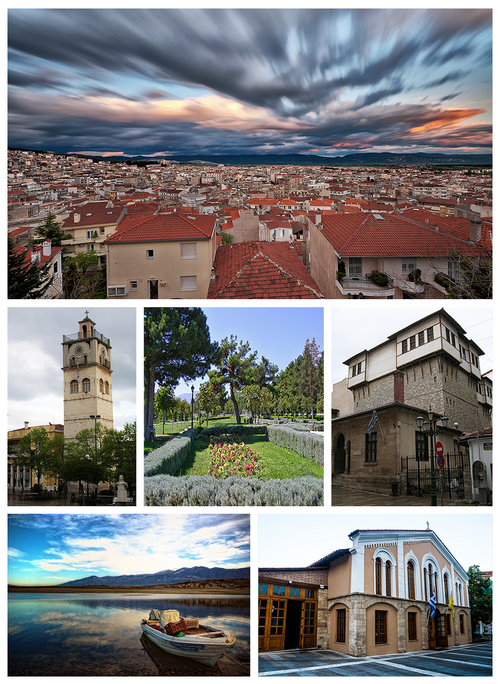
Kozáni is a significant city located in northern Greece, serving as the capital of the Kozani regional unit in the region of Western Macedonia. Positioned about 160 kilometers west of Thessaloniki, it is strategically situated near the Pindus mountain range and the Aliakmon River, which enrich the landscape of the area. Kozáni has a rich history dating back to ancient times, with ties to the ancient Greek kingdom of Macedon. The city's historical significance is evident in its architectural heritage, which includes Byzantine churches and neoclassical buildings from the 19th century, reflecting its development during the Ottoman period.
The city has transformed over the years, particularly during the 20th century, with the discovery of lignite coal in the region leading to significant economic development. Today, Kozáni is notable for its role in the energy sector, serving as a hub for lignite mining and coal-fired power generation in Greece. The Public Power Corporation operates several power plants in the vicinity, contributing to the local economy and providing employment opportunities. In addition to its industrial significance, Kozáni is known for its traditional festivals, artisan crafts, and local gastronomy, including famous products like the Kozáni saffron, which is classified as a Protected Designation of Origin (PDO) product. The city's vibrant cultural life is complemented by various educational institutions, including branches of the University of Western Macedonia, which contribute to the region's intellectual and cultural dynamism.
Kozáni's modern amenities coexist with its historical charm, making it an interesting destination for visitors. The city's central square, surrounded by cafés and shops, serves as a social hub, while nearby attractions, such as the picturesque village of Eordaia and natural sites in the surrounding mountains, enhance the appeal of the region. As Kozáni continues to evolve, it maintains a delicate balance between its cultural heritage and the demands of modernization, reflecting the broader trends of development in contemporary Greece.
Facts about Kozáni
- Kozáni is known for its rich history in commerce and trade, particularly during the Byzantine period.
- The city is famous for its unique architectural style, especially the numerous traditional mansions built in the 19th century that showcase Macedonian design elements.
- Kozáni hosts the annual 'Kozáni Carnival', one of the largest and most vibrant carnivals in Greece, which attracts visitors from across the country.
- The nearby Meteora rock formation, a UNESCO World Heritage site, is less than an hour's drive from Kozáni, making the city a convenient base for exploring this natural wonder.
- Kozáni is known for its rich agricultural region, particularly for producing high-quality saffron, making it one of the few areas in Europe with a prominent saffron industry.
- The city is home to the Kozáni Archaeological Museum, which houses significant artifacts from the prehistoric period to the Roman era, providing insight into Macedonia's history.
- Kozáni has a significant presence of educational institutions, including the University of Western Macedonia, which contributes to the city’s youthful population and innovation.
- The region is known for its extensive lignite coal reserves, which have historically played a crucial role in Greece's energy production and industrial development.
- Kozáni features the impressive Church of Agios Nikolaos, which is notable for its stunning frescoes and baroque architecture.
- Local folklore and mythology greatly influence Kozáni's culture, with numerous traditions, tales, and festivities connected to the area's historical heritage.