Kragujevac, Serbia
- 147,473 people
- 10 places to visit
- 44.0128, 20.9114
Places to Visit (10)
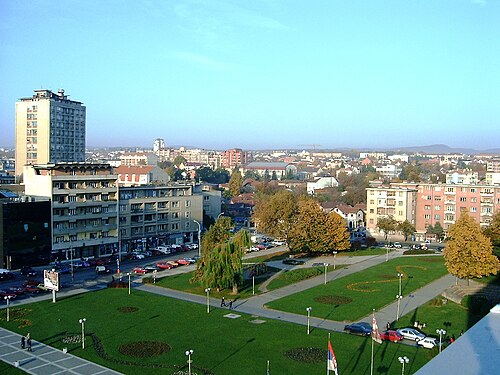
Kragujevac is a significant city in central Serbia, serving as the administrative center of the Šumadija District. With a population of around 150,000 inhabitants, it is one of the largest cities in the country. The city is located in a valley surrounded by hills and is positioned approximately 120 kilometers south of Belgrade, the capital of Serbia. Historically, Kragujevac played a crucial role in the development of the Serbian state, particularly during the 19th century. It was the capital of Serbia from 1818 until 1841 and has been an important center for political, educational, and cultural life throughout its history.
The city's industrial heritage is notable, particularly as the site of the first Serbian factory, established in the early 19th century, which laid the groundwork for its industrial development. Kragujevac became known for its production of furniture, textiles, and machinery, as well as being the home of the renowned Zastava automobiles, a major automotive manufacturer until its decline in the early 21st century. The presence of the University of Kragujevac and several other educational institutions also contributes to the city's vibrant community and provides a significant student population.
Kragujevac is rich in cultural and historical landmarks, including the Šumarice Memorial Park, which commemorates the tragic events of World War II when thousands of local citizens were executed by Nazi forces in 1941. The city also boasts the national museum, theaters, and various galleries, enriching its cultural landscape. In addition, Kragujevac hosts several annual festivals that reflect its diverse cultural heritage. The blend of history, industry, and culture makes Kragujevac a unique and essential part of Serbia's national identity.
Facts about Kragujevac
- Kragujevac is known as the birthplace of the modern Serbian Army, with the establishment of the first Serbian Military Academy in 1837.
- The city was the capital of Serbia from 1818 to 1841 and has played a significant role in the country's political history.
- Kragujevac is home to the first Serbian light bulb factory, founded in 1896, which marked a significant step in industrialization in Serbia.
- The city is famous for its Karlovci Wine Cellars, producing some of the best wines in the region.
- Kragujevac features the unique Memorial Park of the 21st October, dedicated to the victims of the World War II massacre by German forces in 1941, which memorializes this tragic event in Serbian history.
- The city hosts the annual International Theater Festival 'Pro-Fun Theater', showcasing theatrical performances from around the world.
- Kragujevac is known for its numerous parks and green spaces, including the beautiful Šumadija Park, which offers a serene environment in the city.
- The city has a rich automotive history and is home to the Fiat Chrysler Automobiles manufacturing plants, which contribute significantly to the local economy.
- Kragujevac is recognized for its cultural institutions, including the National Museum and the 'Vuk Karadžić' Cultural Center, promoting Serbian art and culture.
- The city lies at the confluence of several important roads and railways, making it a key transport hub in central Serbia.