Kraljevo, Serbia
- 82,846 people
- 5 places to visit
- 43.7238, 20.6873
Places to Visit (5)
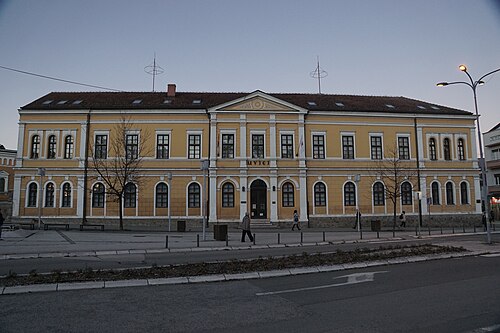
Kraljevo is a city located in central Serbia, positioned at the confluence of the Ibar and Morava rivers. Established as a significant urban center in the 15th century, Kraljevo has a rich cultural and historical legacy. Its name, which translates to "King's Town," reflects its historical importance, particularly during the Serbian medieval period when it served as a royal residence. Over the centuries, Kraljevo has witnessed various transformations, especially during the Ottoman Empire and the subsequent establishment of a modern Serbian state. The city is renowned for its diverse architectural styles, including influences from Byzantine, Ottoman, and Serbian national revival periods.
Kraljevo is home to several notable landmarks, including the Church of Saint Andrew, built in 1818, and the Ravanica Monastery, which dates back to the 14th century. Additionally, the city's culture is enriched by events such as the Kraljevo Winter Festival and various local fairs that showcase traditional Serbian music, dance, and crafts. The population of Kraljevo is around 75,000 inhabitants, making it an influential urban hub in the Raška District. Besides its historical and cultural significance, Kraljevo is also an economic center, with industries such as manufacturing, agriculture, and services contributing to its development. Its strategic location along major transport routes facilitates trade and connectivity, further enhancing its role in the region.
Today, Kraljevo combines its historical heritage with modernization, making it a city of both past significance and contemporary vibrancy. With its picturesque landscapes and hospitable community, it serves as a gateway for exploring the natural beauty of central Serbia, including nearby mountains and national parks. As Kraljevo continues to grow and evolve, it remains a vital part of Serbia's cultural mosaic, reflecting the country's historical journey and economic aspirations.
Facts about Kraljevo
- Kraljevo is known for its rich historical significance, having been the seat of the Serbian rulers during the medieval period, particularly in the 14th century.
- The city is located at the confluence of the Ibar and Western Morava rivers, making it a strategic point for trade and transportation throughout history.
- Kraljevo is home to the Church of Saint Andrew, a significant medieval monument that showcases the unique Byzantine architecture of the region.
- The city hosts an annual Kraljevo Carnival, which is one of the largest cultural events in the area, celebrating local traditions and communities.
- Kraljevo is the administrative center of the Raška District and serves as an important commercial hub for the surrounding countryside.
- The city played a crucial role during the First World War, being the location of various military headquarters and events during the conflict.
- Kraljevo features the nearby Kopaonik National Park, a popular destination for winter sports and outdoor activities, and is one of Serbia's largest ski resorts.
- The area around Kraljevo is rich in minerals and is known for its thermal springs, attracting visitors seeking wellness and relaxation.
- The historic Kraljevo Barracks, built in the late 19th century, highlights the city's military history and architecture.
- Kraljevo has a vibrant arts scene, exemplified by its various cultural institutions, including galleries and theaters that promote Serbian culture.