Kraśnik, Poland
- 35,834 people
- 11 places to visit
- 50.9233, 22.227
Places to Visit (11)
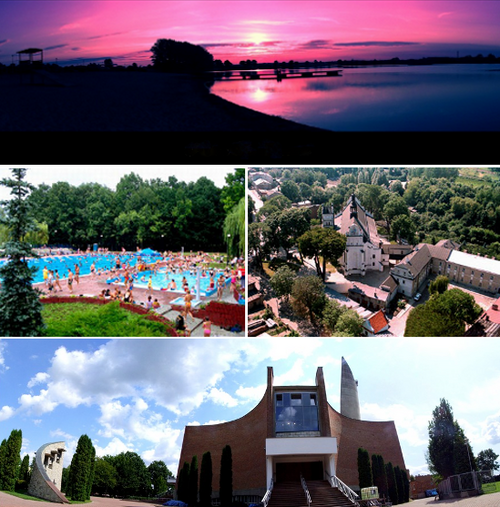
Kraśnik is a town located in southeastern Poland, nestled in the Lublin Voivodeship within the historic region of Galicia. With its foundation rooted in the Middle Ages, the town was established in 1170, making it one of the older settlements in the area. Kraśnik's strategic position along key trade routes led to its growth and development over the centuries. The town primarily grew around its agricultural economy, which has historically been supplemented by crafting and trade. The presence of various natural resources in the surrounding area contributed to local industries, including textiles and furniture, further shaping its economic landscape.
The rich history of Kraśnik is reflected in its architectural and cultural heritage. The Roman Catholic Church of Saint Mary Magdalene, built in the 14th century, is a significant historical landmark, showcasing Gothic architecture and drawing visitors interested in the religious and cultural history of the region. The town also features several other buildings from different periods, including Renaissance and Baroque structures that highlight its architectural diversity. Kraśnik was also influenced by the various political changes that swept through Poland, especially during the partitions in the 19th century and the complexities of World War II, which left a significant mark on its demographic makeup and historical narrative.
In contemporary times, Kraśnik has evolved into a small urban center with a population of around 17,000 residents. It combines a blend of historical richness and modern development, complemented by educational institutions, healthcare facilities, and various amenities. The town is surrounded by picturesque landscapes, offering opportunities for outdoor activities and tourism, which further enhance its appeal. Kraśnik celebrates its local customs, including annual festivals that showcase traditional music, dance, and cuisine, fostering a sense of community and cultural pride among its inhabitants. Overall, Kraśnik stands as a testament to the resilience and history of Polish towns, offering a unique glimpse into the past while continuing to develop as a vibrant area in the present day.
Facts about Kraśnik
- Kraśnik is known for its historical significance as a center of the textile industry in the 19th century, often referred to as 'the textile capital of the region'.
- The town's unique architecture includes several well-preserved historic buildings from various periods, particularly the Gothic-style Church of St. Joseph, dating back to the late 18th century.
- Kraśnik is home to the 'Lipowa Góra', a nature reserve known for its rich biodiversity and scenic views, attracting nature enthusiasts and hikers.
- The city hosts an annual Folk Culture Festival, which celebrates the heritage of the region through traditional music, dance, and crafts, distinctively showcasing local culture.
- Kraśnik's location at the confluence of the Jeziorzanka River and the Tawa River provides it with picturesque landscapes and recreational opportunities unavailable in many urban areas.
- The town has a historical connection to the Polish military, being the site of the historic 1863 battle during the January Uprising against Russian rule.
- Kraśnik is known for its involvement in the production of ceramics, particularly since the establishment of local pottery workshops in the early 20th century.
- The city has an extensive network of cycling paths, particularly the trail along the Tawa River, making it a popular destination for cyclists and outdoor lovers.
- Kraśnik's local cuisine features distinctive flavors of Polish cuisine, including regional specialties like kluski śląskie (Silesian dumplings) and various traditional pastries.
- The town places a strong emphasis on community and education, with several primary and secondary schools, as well as community initiatives promoting local history and culture.