Krefeld, Germany
- 237,984 people
- 14 places to visit
- 51.3345, 6.5654
Places to Visit (14)
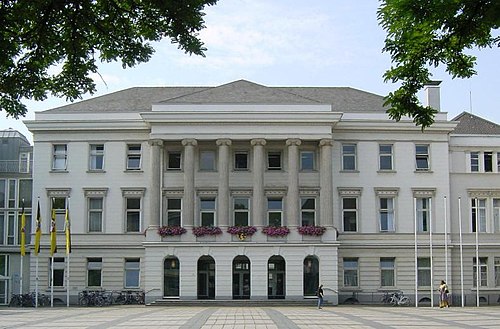
Krefeld is a city located in the North Rhine-Westphalia region of Germany, situated along the banks of the Rhine River. With a population of approximately 225,000, Krefeld is part of the Rhine-Ruhr metropolitan area, which is one of the largest urban agglomerations in Europe. Historically known for its textile industry, particularly silk production in the 18th and 19th centuries, Krefeld earned the nickname "Silk City." This heritage is reflected in various architectural styles that can be seen throughout the city, where numerous grand villas and industrial buildings from that era still stand. The city has evolved over the years, regaining economic stability by diversifying its industrial base, which now includes sectors such as plastics, chemical production, and engineering.
Culturally, Krefeld boasts a rich array of museums and galleries, including the Kaiser Wilhelm Museum, which hosts a diverse collection ranging from contemporary art to historical artifacts. The Stadtwald and the nearby Rheinstadion provide green spaces and recreational opportunities for residents and visitors alike. Additionally, Krefeld is known for its sporting culture, particularly in field hockey and basketball. The city has a vibrant community life with several annual festivals and events that celebrate its history and creativity, including the Krefeld Christmas Market, which attracts many visitors each year. Supported by excellent transportation links, including rail and road connections, Krefeld maintains its significance as a regional economic hub while preserving its unique cultural identity.
Facts about Krefeld
- Krefeld is known as the 'Velvet City' due to its historical significance in the textile industry, particularly in producing luxurious velvet and silk fabrics during the 18th and 19th centuries.
- The city has a rich history of art and culture, being home to the Krefeld Art Museum, which showcases a unique collection of modern and contemporary art.
- Krefeld was the birthplace of the famous fabric designer Peter Behrens, who was influential in the Bauhaus movement, linking the city to an important period in design history.
- The city's historical city center features the St. Dionysius Church, a stunning example of Gothic architecture, which dates back to the late 13th century.
- Krefeld is home to the Zoo Krefeld, a notable zoo local for its engaging animal exhibits and commitment to conservation and education.
- The city hosts the annual Krefeld Christmas Market, known for its picturesque setting and unique local crafts, attracting visitors from across the region.
- Krefeld has a renowned sports scene, particularly noted for its ice hockey team, the Krefeld Pinguine, which has a dedicated fan base and rich history in the DEL (German Ice Hockey League).
- The Krefeld Botanical Garden, established in 1903, features over 2,800 species of plants and is an important center for botanical research in the region.
- Krefeld was historically part of the Prussian province of Jülich-Cleves-Berg, and its unique location has contributed to a blend of German and Dutch cultural influences.
- The city has a distinct architectural feature known as the 'Krefelder Schwan,' a traditional style of house with characteristic ornamental details, reflecting the region's artisanal heritage.