Kreuztal, Germany
- 31,772 people
- 10 places to visit
- 50.9694, 7.9924
Places to Visit (10)
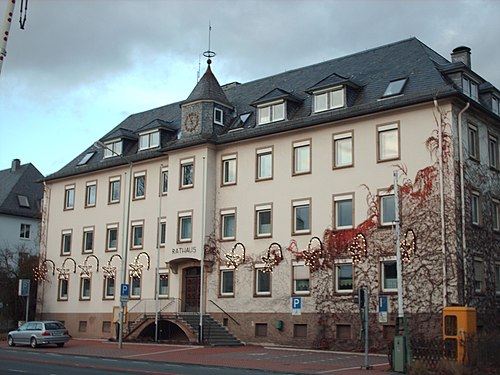
Kreuztal is a town situated in the Siegen-Wittgenstein district of North Rhine-Westphalia, Germany. Located approximately 10 kilometers northeast of the city of Siegen, Kreuztal has a population of around 19,000 residents. The town lies within a hilly landscape characterized by the picturesque rolling hills of the Sauerland region and is intersected by the river Ferndorf. The area is known for its blend of urban and natural environments, attracting visitors who appreciate both cultural heritage and outdoor activities.
The history of Kreuztal dates back to the Middle Ages, with its first documented mention in the 13th century. Initially, it was a small agricultural community, but with the advent of industrialization, it evolved into a significant center for coal mining and metallurgy during the 19th and early 20th centuries. The remnants of this industrial past can still be seen in parts of the town, although recent years have seen a shift towards a more service-oriented economy. Cultural sites in Kreuztal include the striking Evangelische Kirche, built in the late 19th century, and various historic buildings that reflect the town's rich heritage. The local community also hosts various events and festivals throughout the year, contributing to the vibrant cultural life of the town.
Kreuztal enjoys a strategic location within the region, providing easy access to major cities and highways while maintaining a quieter, suburban feel. The town is well-connected through public transportation, including local and regional trains, facilitating commuting to nearby urban centers such as Siegen and Dortmund. Nature enthusiasts can indulge in the surrounding countryside, with numerous hiking trails and recreation areas that showcase the beauty of the Sauerland mountains. As a blend of history, culture, and nature, Kreuztal is a charming example of a German town that offers both its residents and visitors a variety of experiences.
Facts about Kreuztal
- Kreuztal is known for its unique natural landscape, nestled in the valley of the Roter Bach stream and surrounded by the scenic hills of the Siegerland region.
- The city is home to the historic 'Kreuztaler Rosarium,' a notable rose garden that showcases a variety of rose species and attracts visitors from around the region.
- Kreuztal's industrial heritage is significant, particularly in metalworking and the production of tools, contributing to the city's economic development since the 19th century.
- The Evangelische Kirche (Evangelical Church) in Kreuztal features a striking design and is a prominent landmark, dating back to the late 19th century.
- Kreuztal boasts a number of cultural events, including the annual 'Kreuztaler Fest,' which highlights local traditions, crafts, and music, fostering community spirit.
- The city has a strong commitment to sustainability, with several initiatives aimed at promoting green spaces and preserving the natural environment.
- Kreuztal is part of the Siegerland-Wittgenstein district, which is known for its rich mining history, particularly of iron and coal, influencing local culture and economy.
- One unique aspect of Kreuztal is its accessibility to hiking and outdoor activities, with many trails leading to the neighboring mountains and scenic views.
- Kreuztal played a role during World War II, serving as a location for various military supply operations and later experiencing post-war industrial recovery.
- The city is also known for its diverse educational institutions, including vocational schools that focus on engineering, metal processing, and craftsmanship, catering to the local economy.