Kuching, Malaysia
- 402,738 people
- 14 places to visit
- 1.5534, 110.3595
Places to Visit (14)
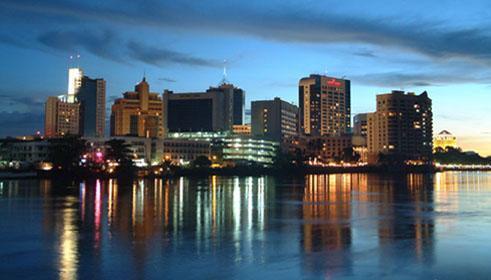
Kuching, the capital city of the Malaysian state of Sarawak, is located on the island of Borneo. Known for its multi-ethnic population, the city has a rich cultural tapestry that combines Malay, Chinese, Indian, and indigenous influences. Kuching, which translates to "cat" in Malay, is often referred to as "The Cat City," and is adorned with cat-themed sculptures and decorative elements throughout its urban landscape. Founded in the 19th century as a trading post, Kuching became the capital of the Brooke dynasty, notably under the rule of James Brooke, the first Rajah of Sarawak. The city's historical significance is evident in its well-preserved colonial architecture, such as the Astana, Fort Margherita, and the Old Court House, reflecting the blend of British colonial and local design.
Kuching is characterized by its vibrant riverfront, known as the Sarawak River Esplanade, which is a hub for social activities and tourism. The waterfront area features a variety of restaurants, shops, and markets, where visitors can sample local delicacies such as laksa, kolo mee, and the iconic Sarawak layer cake. The city's natural beauty is complemented by its proximity to lush rainforests, national parks, and wildlife reserves, making it an attractive destination for ecotourism. The Bako National Park, a short drive from Kuching, offers trails leading through mangroves and dipterocarp forests, where visitors can observe diverse wildlife, including proboscis monkeys and rare birds. Furthermore, Kuching serves as a gateway to exploring the indigenous cultures of Borneo, with numerous cultural festivals and events that celebrate the traditions and lifestyles of its diverse communities.
As a regional center of commerce and education, Kuching has also seen significant development over the years, boasting modern facilities such as shopping malls, schools, and healthcare services. Despite its growth, the city retains a laid-back atmosphere, making it an appealing destination for both tourists and expatriates. The blend of modernity and tradition, coupled with its rich biodiversity and cultural heritage, positions Kuching as a unique and captivating city within Malaysia and Southeast Asia. With ongoing efforts to promote sustainable tourism and preserve its natural and cultural resources, Kuching is poised to attract even more visitors in the coming years, solidifying its status as a gem on the island of Borneo.
Facts about Kuching
- Kuching is known as the 'Cat City' because the name 'Kuching' is derived from the Malay word for 'cat,' and there are numerous cat statues and attractions throughout the city.
- Kuching is home to the Sarawak Cultural Village, a living museum that showcases the diverse cultures of the indigenous people of Sarawak.
- The city features the iconic Astana, a former palace of the White Rajahs, which now serves as the official residence of the Governor of Sarawak.
- Kuching has one of the largest and oldest wet markets in Malaysia, called the Satok Weekend Market, famous for local produce and delicacies.
- The city hosts the Rainforest World Music Festival, an internationally recognized event attracting musicians and visitors from around the world every July.
- Kuching is recognized for its unique blend of colonial architecture and traditional Malay and Chinese cultural influences, making it distinct from other Malaysian cities.
- The Sarawak River runs through Kuching, lined with beautiful parks and pedestrian walkways, providing a scenic view that is unique to the city.
- Kuching has its own distinctive cuisine, including dishes like Sarawak laksa and umai, a traditional fish salad, setting it apart from other Malaysian food.
- The city is situated near Bako National Park, known for its biodiversity and wildlife, including the endangered proboscis monkey, making it a nature lover's destination.
- Kuching played a significant role in the history of the Brooke dynasty, being the capital of Sarawak when it was governed by British adventurer James Brooke and his successors.