Kumanovo, North Macedonia
- 75,051 people
- 8 places to visit
- 42.1323, 21.7257
Places to Visit (8)
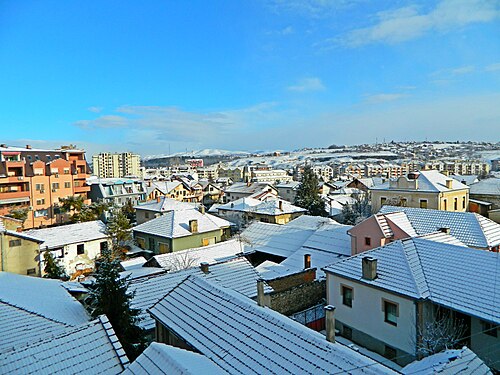
Kumanovo is a city located in northeastern North Macedonia, serving as the administrative center of the Kumanovo Municipality. It is the second-largest city in the country, with a population of approximately 75,000 residents, according to the latest census data. Strategically positioned near the border with Kosovo, Kumanovo plays a crucial role in the region's transportation network, as it is situated near the intersection of major roads leading to both Skopje, the capital of North Macedonia, and Pristina, the capital of Kosovo. The city's historical significance is profound, with its roots tracing back to ancient times, evidenced by archaeological findings from the Roman and Byzantine eras.
Kumanovo is marked by a diverse cultural heritage that reflects the intricate tapestry of ethnicities and traditions within North Macedonia. The city is home to a blend of Macedonian, Albanian, and Serbian communities, contributing to a rich cultural milieu. This diversity is celebrated through various festivals, culinary traditions, and local crafts. The city's historical sites, including the Kale Fortress and the nearby archaeological site of Scupi, draw visitors interested in the region's past. Additionally, Kumanovo serves as a hub for economic activities, boasting various industries such as textiles, food processing, and manufacturing, which provide employment for a significant portion of its populace. The educational institutions in the city, including vocational schools and branches of higher education, also play a vital role in shaping the future workforce.
In recent years, Kumanovo has experienced both challenges and opportunities as it adapts to modern economic and social dynamics. Efforts are ongoing to enhance the local infrastructure and promote investment in the city to improve the quality of life for its residents. Environmental preservation and urban development are also areas of focus, as the city aims to balance growth with sustainability. Overall, Kumanovo stands out as a city of historical importance and cultural richness, playing a vital part in the mosaic of North Macedonian society while navigating the complexities of contemporary life.
Facts about Kumanovo
- Kumanovo is known for the Kumanovo Offensive, a major military engagement during World War I between Serbian and Bulgarian forces in 1915.
- The city is home to the famous Kumanovo – the location of the Battle of Kumanovo in 1912, a crucial victory for the Serbian Army against the Ottoman Empire during the Balkan Wars.
- Kumanovo has a unique cultural heritage, with a mix of diverse influences from its Ottoman past, as evidenced by its historical architecture, including the Old Bazaar and mosques.
- The city hosts one of the largest open-air folklore festivals in North Macedonia, celebrating traditional music and dance, attracting participants from various regions.
- Kumanovo is known for its vibrant community of artists and craftsmen, particularly in ceramics and pottery, which showcases the region's artisanal history.
- The town is recognized for being the birthplace of notable historical figures, such as the revolutionary leaders from the early 20th century who fought for the rights of the Macedonian people.
- Kumanovo is strategically located near several key transportation routes, serving as an important commercial and logistical hub in North Macedonia.
- The city has a significant industrial base, contributing to the economy through manufacturing, textiles, and food production, distinguishing it from more agriculture-focused areas.
- Kumanovo's proximity to the scenic Ovche Pole valley offers unique agricultural opportunities, making it one of the key producers of fruits and vegetables in the country.
- The Kumanovo Museum contains a variety of artifacts that highlight the area’s rich history, including items from prehistoric to modern times, setting it apart from other local museums.