Kumasi, Ghana
- 2,544,530 people
- 13 places to visit
- 6.6666, -1.6163
Places to Visit (13)
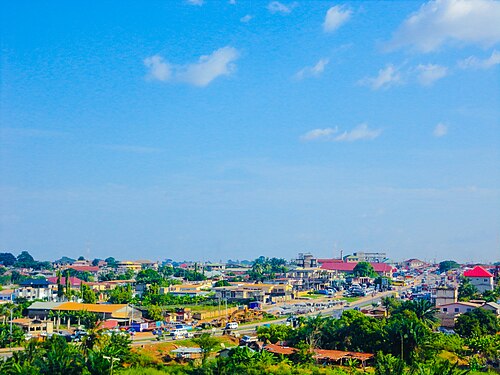
Kumasi, often referred to as the "Garden City," is the capital city of the Ashanti Region in Ghana. Located in the central part of the country, it is the second-largest city in Ghana, following Accra. Established in the late 17th century, Kumasi became the capital of the Ashanti Empire under King Osei Tutu, who founded the empire and important political, cultural, and economic institutions. Today, Kumasi remains a pivotal center for Ashanti culture and tradition, evidenced by the presence of the Manhyia Palace, the official residence of the Asantehene (king of the Ashanti people). The city is characterized by its vibrant markets, particularly the Kejetia Market, one of the largest open-air markets in West Africa, where a wide array of goods such as textiles, food, and crafts are traded daily.
Kumasi is not only a cultural hub but also an educational center, hosting a number of notable institutions, including the Kwame Nkrumah University of Science and Technology (KNUST), which is one of the leading universities in Ghana. The city's economy is driven by trade, agriculture, and services, with a focus on cocoa and gold production. Additionally, traditional crafts such as kente weaving and pottery thrive in the area, further contributing to the local economy and preserving the culture. The city is home to diverse ethnic groups, predominantly the Akan, fostering a rich cultural tapestry that includes traditional festivals, music, and dance. The annual Akwasidae Festival offers an opportunity for the local population and tourists to witness the royal lineage's cultural heritage, showcasing the importance of ancestry and tradition among the Ashanti people. As Kumasi continues to grow and develop, it remains a vital part of Ghana's cultural identity and historical narrative.
Facts about Kumasi
- Kumasi is the capital city of the Ashanti Region and is known as the 'Garden City' for its lush greenery and vibrant plant life.
- It is the historical capital of the Ashanti Empire and plays a significant role in the cultural heritage of the Ashanti people, emphasizing traditional leadership and customs.
- Kumasi is home to the Manhyia Palace, the official residence of the Asantehene, the king of the Ashanti people, showcasing the city's importance in Ashanti royalty.
- The city hosts the Kumasi Central Market, one of the largest and busiest markets in West Africa, known for its diverse products including textiles, food, and crafts.
- Kumasi is famous for its rich cultural events, including the annual Ashanti Festival, which celebrates the traditional customs and heritage of the Ashanti people.
- The city is renowned for its vibrant craft industry, particularly in kente cloth weaving, which is a significant symbol of African heritage.
- Kumasi is also notable for the significant presence of educational institutions, including the Kwame Nkrumah University of Science and Technology, one of the leading universities in Ghana.
- It is a major transportation hub in Ghana, connecting various regions through road and rail infrastructures.
- Kumasi has a rich history linked to the cocoa trade and was vital in the economic development of Ghana, particularly in the 19th and 20th centuries.
- The city features several historic sites and parks, including the Kejetia Market and the Cultural Centre, which serve as attractions for both locals and tourists.