Kumba, Cameroon
- 225,046 people
- 1 places to visit
- 4.6333, 9.4451
Places to Visit (1)
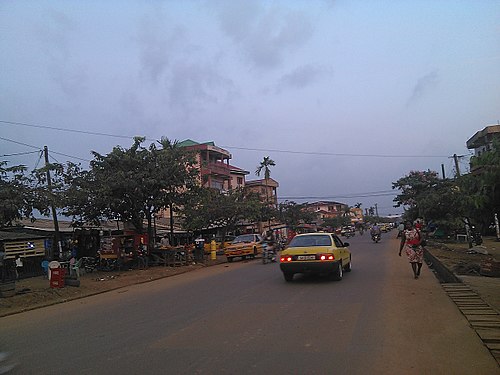
Kumba, a bustling city located in the Southwest Region of Cameroon, is the capital of the Meme Division. Situated approximately 70 kilometers from Douala, the economic capital of Cameroon, Kumba serves as a vital commercial and administrative hub for the region. It is strategically positioned in the heart of the Anglophone part of the country, which has contributed to its cultural distinctiveness and diverse demographics. Home to a population of over 100,000 people, Kumba is predominantly inhabited by the Bakweri and other ethnic groups, each of which enriches the city's cultural tapestry. The city is known for its vibrant markets, including the famous Kumba Market, where a variety of goods, including agricultural products, textiles, and handicrafts, are traded.
Kumba has a temperate climate with a lengthy rainy season, supporting robust agricultural activities in the surrounding areas. The economy is largely based on agriculture, with major products including cassava, maize, plantains, and vegetables. The region is also known for its production of palm oil and cocoa, contributing to both local livelihoods and the export economy. Kumba's infrastructure has seen improvements over the years, with enhanced road networks facilitating trade and transportation. However, challenges remain, particularly in the context of the ongoing Anglophone crisis, which has impacted the city's stability and economic growth. Despite these challenges, Kumba retains its significance as a center for education, with several primary and secondary schools, as well as vocational institutions, contributing to the development of human capital in the region. The city is rich in cultural heritage, with traditional festivals and the arts playing vital roles in community life, reflecting the resilience and vibrancy of the local population amidst the complexities of modern-day Cameroon.
Facts about Kumba
- Kumba is known as the 'Commercial Capital of the South West Region' of Cameroon, making it a vital economic hub in the region.
- The city is famous for its vibrant market, the Kumba Market, which is one of the largest and most important in the South West Region, attracting traders from various parts of the country.
- Kumba serves as a cultural center, hosting numerous festivals and traditional events that showcase the rich heritage of the Manyu people.
- The city is surrounded by lush hills and fertile land, making it a significant area for agriculture, particularly in producing crops like cassava and bananas.
- Kumba is home to the Kumba Urban Council, which plays a crucial role in local governance and development projects within the city.
- The city is known for its diverse ethnic composition, comprising various groups such as the Bantu, Bafong, and other indigenous communities, fostering a unique multicultural environment.
- Kumba has a history of significant political activism, being one of the focal points during the struggle for English-speaking rights in Cameroon.
- The city houses the Kumba Health Centre, an important medical facility that serves as a referral point for the South West Region.
- Kumba is geographically notable for its proximity to Mount Cameroon, one of the highest volcanoes in Africa, which influences the city's climate and agriculture.
- Kumba's education sector is highlighted by institutions like the Lycee de Kumba, which plays a vital role in shaping the educational landscape of the region.