Kunduz, Afghanistan
- 161,902 people
- 3 places to visit
- 36.7286, 68.8681
Places to Visit (3)
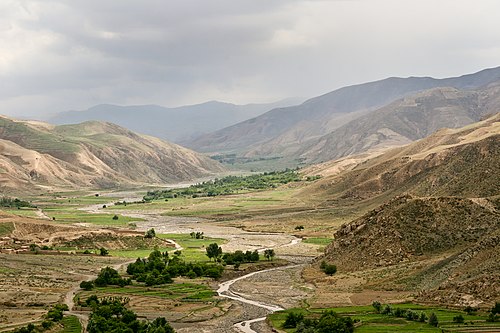
Kunduz is a city located in northeastern Afghanistan and serves as the capital of Kunduz Province. It lies along the banks of the Kunduz River and is positioned at the crossroads of several important trade routes, which historically contributed to its prosperity and cultural diversity. The city has a rich history that dates back to ancient times, having been influenced by various civilizations, including the Persian Empire and the ancient Greeks. The population of Kunduz is ethnically diverse, comprising primarily Tajiks, Uzbeks, and Pashtuns, among other groups. This diversity is reflected in the local culture, customs, and languages spoken in the area.
In recent years, Kunduz has gained international attention due to its strategic significance and the ongoing conflict in Afghanistan. The city has been a focal point for military operations, particularly during the Taliban resurgence in the 2010s when it experienced periods of intense fighting. In 2015, Kunduz briefly fell to Taliban forces, marking the first time a major city was captured by the group since the U.S. invasion in 2001. Though Afghan National Security Forces, with the assistance of international troops, managed to retake the city, it has remained vulnerable to instability and violence. Efforts at reconstruction and development have been ongoing, but challenges such as security concerns, weak governance, and limited infrastructure persist.
The economy of Kunduz relies on agriculture, trade, and small-scale industries, with farming being a predominant activity in the surrounding fertile lands. People cultivate crops such as wheat, corn, and fruits, while trade remains vital due to the city’s location near several bordering countries, including Tajikistan. Despite the turmoil, inhabitants of Kunduz continue to strive for stability and normalcy, showcasing resilience amid adversity. As Afghanistan navigates its path forward, the future of Kunduz remains a critical aspect of the broader national landscape.
Facts about Kunduz
- Kunduz is one of the oldest cities in Afghanistan, with its history dating back to over 2,500 years, making it a significant historical site.
- The city has been a crucial trading hub due to its strategic location at the junction of several major trade routes, connecting Central Asia and South Asia.
- Kunduz is known for its diverse population, including various ethnic groups such as Tajiks, Uzbeks, Pashtuns, and Hazaras, contributing to its rich cultural tapestry.
- The Kunduz River, which flows through the city, has historically played a vital role in agriculture and irrigation, supporting local farmers and communities.
- In recent history, Kunduz gained international attention during the Afghanistan war for being a site of intense conflict, with significant battles occurring in 2015 and 2016.
- The city hosts the notorious 'Kunduz Airport,' which has served as a strategic military base and transit point for international forces during the war.
- Kunduz is home to historical landmarks such as the grand Mosque of Kunduz, which reflects the city’s Islamic heritage and architectural significance.
- The Kunduz Province has rich agricultural land, making it known for its production of fruits and vegetables, especially pomegranates and saffron.
- Kunduz has experienced a significant presence of humanitarian organizations working to provide assistance due to the ongoing challenges of conflict and reconstruction.
- The city is often highlighted for its role in Afghan history as a center for political and military activity, making it a focal point during different eras of rule and conflict.