Kungälv, Sweden
- 24,101 people
- 9 places to visit
- 57.8698, 11.974
Places to Visit (9)
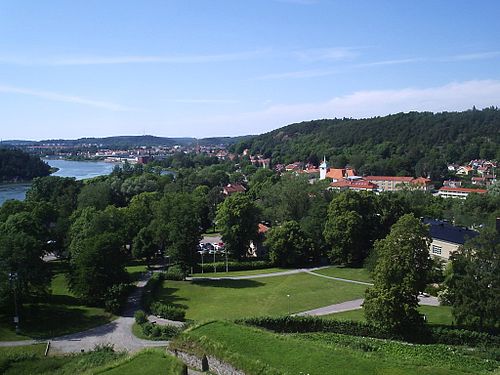
Kungälv is a locality in Sweden, situated in Västra Götaland County, to the north of Gothenburg. With a population of approximately 23,000 residents, Kungälv serves as the seat of Kungälv Municipality. This city is known for its rich history and picturesque surroundings, characterized by its close proximity to the Göta River and the scenic landscapes of the Bohuslän region. The area has historical significance dating back to the Viking Age, and it features several cultural landmarks, including the medieval fortress known as Bohus Fortress, established in 1308. The fortress not only served as a strategic military stronghold but also as a royal residence, and it remains a popular tourist destination today, offering stunning views of the river and the surrounding countryside.
In addition to its historical sites, Kungälv is celebrated for its vibrant community and various recreational opportunities. The city is well-connected to Gothenburg via public transport, making it an attractive residential area for commuters. This accessibility has contributed to its growth and development as a thriving urban center, blending modern amenities with a charming small-town feel. The local economy is diverse, with significant contributions from industries such as retail, manufacturing, and services. Kungälv also hosts various cultural events and festivals throughout the year, fostering a sense of community and celebrating local traditions. Furthermore, the area's natural environment provides residents and visitors with ample opportunities for outdoor activities, including hiking, cycling, and water sports along the Göta River.
With a focus on sustainability and community development, Kungälv has implemented various initiatives to enhance the quality of life for its residents. The city continues to evolve while preserving its historical heritage, making it a unique place that combines the past and the present. As the demand for living spaces near urban centers rises, Kungälv is likely to remain a sought-after location, offering both tranquility and connectivity to larger cities.
Facts about Kungälv
- Kungälv is home to the historic Bohus Fortress, which dates back to the 13th century and played a significant role in Sweden's military history.
- The city is situated at the meeting point of the Göta River and the Nordre River, making it a strategically important location for trade and transportation.
- Kungälv hosts the annual 'Kungälv Medieval Market', celebrating its medieval heritage with crafts, performances, and traditional foods.
- The city's name, Kungälv, means 'the King's Elv' in Swedish, a reference to its historical ties to Swedish royalty.
- Kungälv has one of the oldest brick-built churches in Sweden, the Kungälv Church, which was completed in 1625 and features beautiful Baroque architecture.
- The town is known for its vibrant cultural life, including various art galleries and exhibitions that showcase local and national artists.
- Kungälv's geographical location allows for easy access to both urban amenities in Gothenburg and natural landscapes in surrounding areas, appealing to both residents and tourists.
- The town has a strong sports culture, with successful clubs in handball and football, promoting community engagement and youth involvement.
- Kungälv was historically a center for sawmilling and timber trade, which significantly contributed to its economic development in the 19th century.
- The city has well-preserved historical areas, including charming wooden houses from the late 19th and early 20th centuries, providing a picturesque setting for visitors.