Kunwi, South Korea
- 34,293 people
- 1 places to visit
- 36.2371, 128.5728
Places to Visit (1)
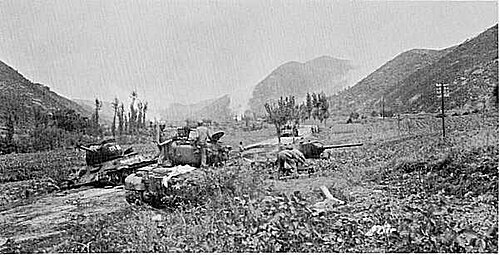
Kunwi is a small city located in the North Gyeongsang province of South Korea, known for its rich cultural heritage and scenic landscapes. Situated at the edge of the Taebaek Mountains, Kunwi is surrounded by natural beauty, making it a popular destination for those seeking outdoor recreational activities, including hiking, fishing, and traditional Korean pursuits like farming. The city is characterized by its rural charm, with rice paddies and orchards dotting the landscape, contributing to the region's agricultural output. The local economy is largely based on agriculture, with rice being the primary crop, alongside various fruits and vegetables.
Culturally, Kunwi is known for its historical sites and traditional festivals. The city has several important landmarks, including ancient temples and monuments that reflect the rich history of the region. One notable site is the Yongduam Rock, which is associated with local legends and offers panoramic views of the surrounding countryside. The area also hosts various annual festivals that celebrate local customs and agricultural practices, fostering a sense of community and drawing visitors from neighboring regions. Additionally, the city’s location allows it to serve as a gateway to explore the broader cultural tapestry of Gyeongsang province, known for its distinctive dialect and vibrant traditions. While Kunwi may not be as bustling as larger cities, its blend of natural beauty, cultural heritage, and agricultural significance makes it a unique and fascinating place in South Korea.
Facts about Kunwi
- Kunwi is known for its unique geographical feature as it is situated in the heart of Mungyeong City, providing easy access to the scenic Mungyeong Saejae Provincial Park.
- The city has a rich cultural history, being home to several historic sites, including the Yeongyangsa Temple, which dates back to the Silla Dynasty.
- Kunwi hosts the annual Kunwi Jangsaeng Festival, celebrating traditional Korean life and agriculture with various cultural performances and activities.
- The region is famous for its production of high-quality rice, particularly 'Kunwi rice', which is celebrated for its taste and nutritional value.
- Kunwi is recognized for its beautiful natural scenery, including lush mountains and valleys, making it a popular destination for hiking and outdoor activities.
- The city features the Kunwi Tea Plantations, where locally grown green tea is produced, attracting visitors interested in tea culture.
- Kunwi has a prominent educational institution, the Kunwi Middle School, known for its innovative teaching methods and emphasis on technology integration.
- The city is also known for its unique local handicrafts, such as traditional pottery and textiles, reflecting the region's artistic heritage.
- Kunwi promotes sustainable agriculture practices, making it a leader in eco-friendly farming methods among South Korean cities.
- The local government emphasizes community engagement and has implemented various programs to strengthen local heritage and promote cultural tourism.